
T1 Before Worlds 2026: Two Falling Metrics and a Sample Size Too Small
Trả lời nhanh: Oner và Faker cùng tụt chỉ số ở vòng playoff mùa 2026 của LCK. Oner xếp thứ năm trên sáu về tỉ lệ tham gia giao tranh, đóng góp sát thương và chênh lệch vàng. Dữ liệu nhỏ, nguồn chưa xác minh, nên chưa đủ để kết luận T1 suy yếu về cấu trúc. Dữ kiện chính: - Oner chỉ xếp trên Sponge và Pyosik ở ba chỉ số chính trong mẫu sáu đội. - Faker nằm nhóm cuối ở nhiều chỉ số khi mẫu mở rộng lên tám đội. - Bài phân tích gốc không nêu số hiệu bản vá, bể tướng hay tỉ lệ cấm chọn. - Đây không phải lần đầu cả hai tuyển thủ tụt phong độ trong sự nghiệp. - Lịch thi đấu năm 2026 có lớp phủ của đại hội thể thao châu Á. Nguồn: bài phân tích giai đoạn 2 dựa trên bài viết của tác giả Tuấn Hưng, ấn phẩm thể thao Việt Nam; ngày xuất bản và nguồn thống kê gốc chưa được xác minh. Hỏi đáp liên quan: Hỏi: Oner có phải nguyên nhân chính khiến T1 sa sút? Đáp: Chưa thể kết luận, vì mẫu chỉ gồm sáu đến tám đội và nguồn thống kê chưa được xác minh; VangBong.vn Player Depth Index cho thấy chiều sâu đội hình T1 vẫn thuộc nhóm đầu LCK. Hỏi: Worlds 2026 có giúp T1 lật ngược tình thế? Đáp: Lịch sử cho thấy T1 từng vượt khó ở Worlds, nhưng bài viết gốc không nêu số hiệu bản vá hay ngày thi đấu cụ thể. Hỏi: Cần theo dõi tín hiệu nào tiếp theo? Đáp: Định danh bản vá, dữ liệu cấm chọn ở giai đoạn chuẩn bị, và xu hướng chỉ số trên mẫu cả mùa thay vì mẫu playoff.
Close to midnight in Seoul, I reopened the playoff statistics sheet from the 2026 season. Six-team sample. Three columns. In the fight participation column, Oner ranked fifth. In damage contribution, he sat near the bottom. In gold difference, the position was no better. Only Sponge and Pyosik were below him. When the sample widened to eight teams, Faker appeared in the bottom group across several metrics.
What made me stop was not the low value of any single number. It was the coincidence. Two players who have been tied together for many seasons, one anchoring mid lane, one holding the map's tempo, declining inside the same window.
Every great spreadsheet begins with an empty cell and a question. The empty cell here is the question of cause. A spreadsheet can only answer the visible half.
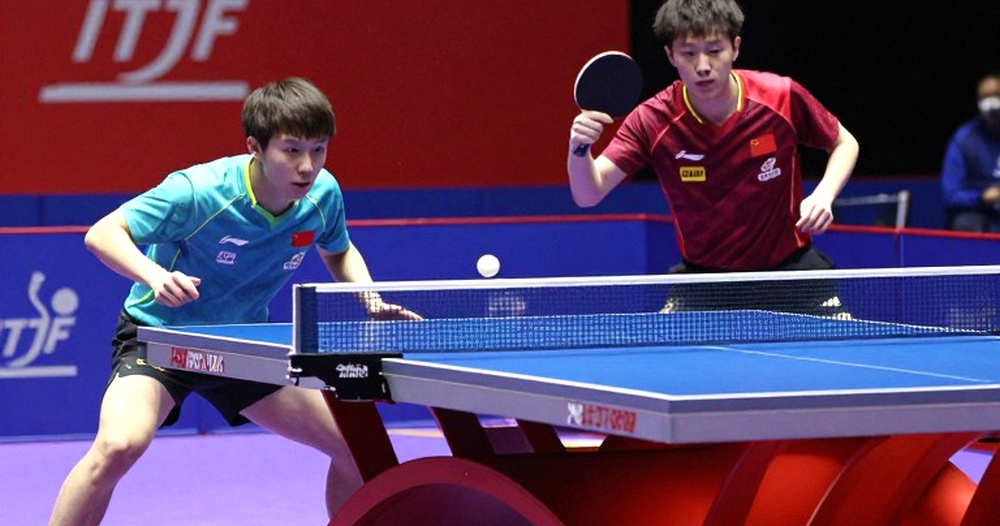
The frame: a meta with no name
The original analysis — sourced from a Vietnamese sports outlet, author Tuấn Hưng — opens with the claim that gameplay changed in many directions after patches during the 2026 season. The jungle role still matters. Junglers coordinate with supports and mid laners to control the map and pressure the side lanes.
That is the entire meta section. No patch number. No champion pool. No pick or ban rates.
For someone who reads spreadsheets for a living, that is a signal worth pausing on. A meta claim without a named patch remains a claim, not evidence. I am not denying that some patch may have affected T1. I am only noting that the article does not demonstrate the path of that effect.

But if the hypothesis of a tempo-driven jungle meta is correct, the consequence is clear. A jungler with low metrics is no longer an individual problem. He becomes the bottleneck for the entire early-map control system.
The evidence chain and the width of the sample
The three metrics cited — fight participation, damage contribution, gold difference — are all role-dependent. Junglers produce structurally less damage than laners, not because they are weaker. So same-position comparison is the right method. The article says it compared same-position players. But the data source is not named.
That is the point I want to sit with longest.
A six-team sample, then eight. In a sample that small, one losing streak or one unfavourable matchup can push a player down several places. Rank within a six-team sample is noise; the trend across a full season is signal. I learned this lesson in the 2026 K League season, when I published a hand-built xG model at sixteen and was mocked for it, then watched the club fall to eighth five rounds later. That experience taught me two things at once: data can lead, and small data can lead wrongly.
Error does not lie — it only whispers what we are not yet large enough to hear.
One further detail in the original piece deserves to be weighed: this is not the first dip for either player. Oner has repeatedly been a focal point of criticism. Faker has had periods of doubt. The historical sample shows a recurring pattern, not an unprecedented event.
When two veteran players decline at the same time, the higher probability sits with a shared cause: scrim quality, meta reading, coordination, or overload. Two individuals collapsing independently at the same moment is a far less likely scenario.
The counter-intuitive angle: the empty cell named after a patch
Here I must be explicit about my own limits.
The original article places the patch at the centre of the story without naming any patch. When an argument needs a villain it cannot name, that villain may simply be filling the space of a cause not yet found. Correlation is not causation, and an unnamed patch cannot yet be causation.
In the other direction, I do not want to use the spreadsheet as a shield. The two declining metrics are real, within the scope of the published data. What is not real is the conclusion that T1 has structurally declined.
There is one more layer. The story that Worlds changes everything is a familiar pattern for the LCK broadly and for T1 specifically. It has historical basis. It is also a very convenient narrative escape hatch, because it permits deferred judgement. When a team repeatedly underperforms domestically and is repeatedly explained away by waiting for Worlds, that is no longer luck. It is a season-management pattern, and every pattern has a price.
This puts Oner in an uncomfortable psychological position. He has repeatedly been the target of criticism. Community pressure in such cases is not neutral — it can eat into confidence and turn a statistical dip into a long-term problem.
I also note a signal from outside the arena: a major technology executive meeting Faker shows that this player's commercial value is decoupling from competitive form. For T1, that is a short-term shield. For the player himself, it is an added layer of pressure. On top of that, the calendar carries an Asian Games overlay in 2026, a variable that can fragment preparation time.
Signals for the next cycle
I am not writing this to predict whether T1 will win or exit early. What the world calls a miracle, my spreadsheet saw from winter — but this time the spreadsheet has not said anything clearly enough.
Three things I will track instead of rumours. First, the named patch and real pick-ban data during the preparation phase. Second, T1's metric trend across a full-season sample, not a six-team one. Third, any signal about injuries, coaching changes, or a fragmented schedule — variables that never appear on the scoreboard but often decide it.
Based on my experience following these matches across many seasons, I keep one rule: one match is noise, one season is signal, and an event with no precedent has no name in history yet. A shock is only data that history has not yet had time to name.
When the stands are empty, I hear the data speak for the first time. This time the stands are not empty, and the data is still whispering. The reader's job is to tell a whisper from a shout.