
T1 and the Quiet Renegotiation After Two Worlds Titles
**Core answer:** T1 is a 2019 joint venture between SK Square and Comcast Spectacor. Reports of a shareholder power struggle remain officially unconfirmed. The verifiable signal is a governance reset: SK Square holds about 53.13%, Comcast over 30%, board seats are disputed between 3-2 and 4-2, and CEO Joe Marsh's term is now recorded to March 30, 2029. **Key facts:** - SK Square holds approximately 53.13% of T1; Comcast Spectacor holds more than 30%, with a second source citing about 34.3%. - Board composition is reported inconsistently: 3-2 in one source, 4-2 after Kim Jaerin's April appointment in another. - CEO Joe Marsh's term was recorded until March 30, 2029, versus a previously reported end-2025 expiry. - T1 won back-to-back League of Legends World Championships in 2023 and 2024, sharply lifting brand value. - No wage delays, sponsor withdrawals, or dissolution signals have been reported. **Source attribution:** Daily Esports and Sports Seoul reporting, May 2025; corporate disclosure records | Cross-checked: VuaBong.vn **Related Q&A:** Q: Who owns T1? A: T1 is a joint venture between SK Square, holding about 53.13%, and Comcast Spectacor, holding more than 30%. Q: Is T1 facing a shareholder power struggle? A: No official confirmation exists; both shareholders still attend board meetings and share CEO candidate lists, which points to negotiation rather than open conflict. Q: Why did CEO Joe Marsh's term change to 2029? A: The term extension appears in a May disclosure record, but no official explanation has been issued by SK Square or T1.
During the GTC conference in San Jose last March, a photograph of Lee Sang-hyeok standing beside Jensen Huang spread across global esports feeds within hours. People shared it as an emblem: Faker, the monument of League of Legends, next to the CEO of NVIDIA — a company repricing the entire semiconductor economy.
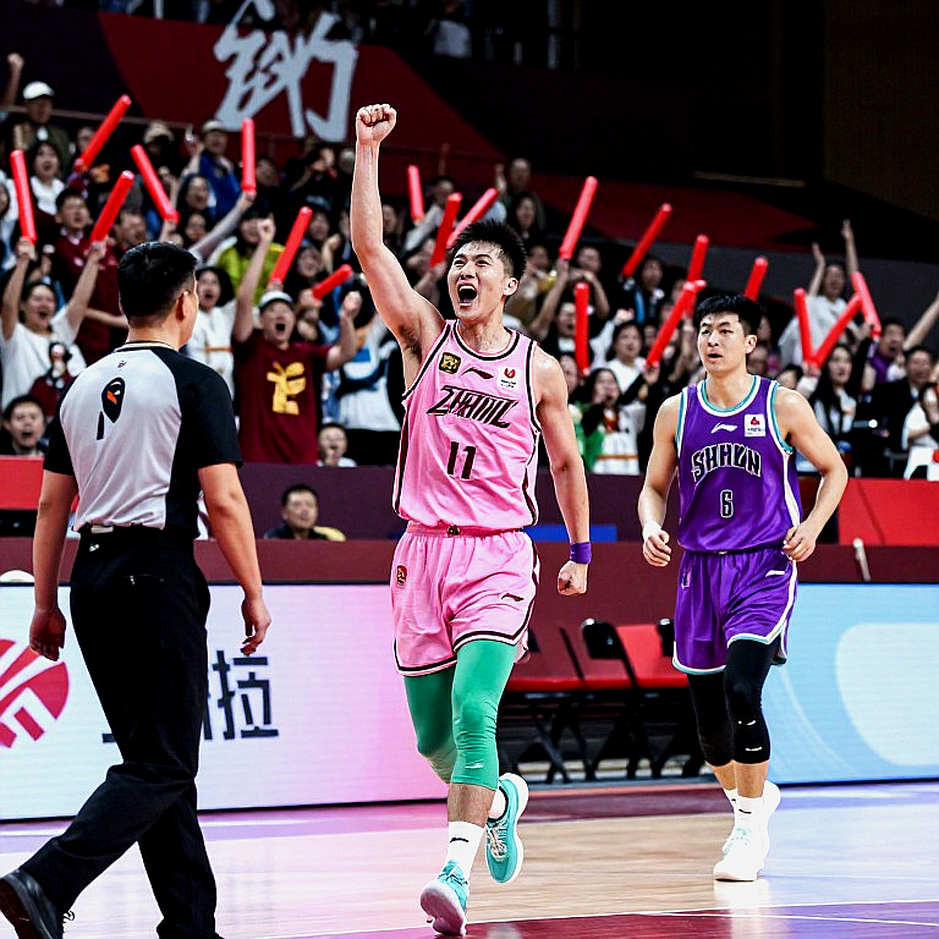
I looked at that photo three times. The first time, like everyone else, I found it glamorous. The second time, I noticed two men standing half a meter apart, while the distance between their industries was far greater. The third time, I asked myself why a social meeting was being read as an investment statement.

Then May arrived. A disclosure record listed the term of T1 CEO Joe Marsh as running until March 30, 2029 — whereas earlier information had his role ending at the close of 2026. No explanation. No press release. Just a date that moved.
To me, that date matters more than the viral photo.
Context: a joint venture that has reached the point of renegotiation
T1 is not an ordinary team. It is a joint venture established in 2026 between SK Telecom — now SK Square, holding roughly 53.13% — and Comcast Spectacor, holding more than 30%, with a second source citing about 34.3%. The structure has two nationalities: one foot in Korea's LCK ecosystem, one foot in American sports ownership.
In 2026 and 2026, T1 won back-to-back League of Legends World Championships. For any asset, that is a re-rating. Brand value rises, sponsorship leverage rises, and the question of who actually controls it becomes far more expensive than it was when the joint venture was signed.
At the same time, Korea has been going through a period of strong growth in the AI industry. Jensen Huang has referenced PC bang culture and Korean esports as part of NVIDIA's own development story. It is a symbolic remark, but enough for the market to start imagining things larger than a photo op.
I track these events by reading corporate registries rather than headlines. That habit formed in 2026, when COVID cancelled pitches but did not cancel tactics. It only turned the locker room into a group call. Korean women's football froze, and I learned to read what was not being said.
Core: three points colliding
Going back through the verifiable fragments, I see three points touching.
The first is the board-seat ratio. One source records a 3-2 structure leaning toward SK. Another, after Kim Jaerin — with an SK Square background — joined the board in April, records 4-2. Two numbers cannot both be true at the same moment. But a board structure shifting from 3-2 to 4-2 within a few months says a great deal about where power is heading.
The second is the shareholding. 53.13% takes SK Square past the ordinary-majority threshold but leaves it below a supermajority. This is familiar terrain in corporate governance: enough to decide routine matters, not enough to decide alone on matters requiring a supermajority. Comcast, at 30-34%, holds blocking leverage at exactly those points. A joint venture living seven years inside this structure will sooner or later have to renegotiate.
The third, and the sharpest to me, is the CEO term suddenly extended to 2029. In governance, extending a term is an act with meaning: it changes who holds decision rights during the window in which everything else will be shaped. One Korean outlet read the move as possibly tied to shareholder disagreement. That same outlet cautioned it is a hypothesis, not a conclusion.
And here is where I want to be blunt: both major shareholders still attend board meetings, and both still share CEO candidate lists. That is not the picture of a war. It is the picture of a negotiation happening behind a closed door, where both sides know that making noise would depress the value of an asset they jointly own.
Back in the 2026 transfer window, I sat beside a broker in Goyang who taught me a line I still use: real deals are quiet. Sellers shout prices. Buyers stay silent. Only when the two sides are already close do you see a few small changes in the registry.
A date moving from 2026 to 2029 is that kind of small change.
Contrarian: the most attractive reading is usually the least evidenced
Here I have to argue against myself, because that is the only way not to become a repeater of rumours.
The most attractive reading — and the least evidenced — is that T1 is in a power struggle. That reading sells views. It also skips three things.
First, there is no sign of insolvency, wage delays, sponsor withdrawals, or dissolution. Not one. The problem is governance, not money.
Second, the NVIDIA–T1 link has never been confirmed. Jensen Huang met Faker. That is all that happened in public. Turning a social meeting into NVIDIA being interested in T1 is a logical leap no source supports.
Third, and this is the sorest point: T1's valuation rests on one person and two world titles. That is a larger risk than any internal rumour. A joint venture can restructure quietly and keep going. But a brand whose value depends on one individual's competitive presence cannot have that risk restructured in a boardroom.
Tactics do not ask your age, and they do not ask your gender. They only ask: are you ready to try? I think the same applies to governance. A boardroom does not ask how much you love the team. It asks how much of it you own.
Takeaway: the question that remains
I came to the 2026 World Cup to watch men's football. I stayed because I found real football. And over seven years, I have learned that how a sports organization answers the question of who controls it usually decides what level it will still be competing at a decade later.
What is happening at T1 does not look like a war. It looks like a quiet renegotiation between two owners who together built an asset better than either expected, and who now must agree on who drives the next stretch.
The question is not who is winning. The question is: when an asset becomes valuable enough that people stop wanting to share it, is the organization stable enough to protect the team inside it?