
Asiad 20, September 28: Vietnam's Delegation Crowds Five Fronts into a Single Day
Trả lời cốt lõi: Ngày 28 tháng 9 năm 2026 tại Asiad 20 (Aichi – Nagoya, Nhật Bản), đoàn thể thao Việt Nam bước vào ngày thi đấu có mật độ cửa huy chương dày nhất: sepak takraw đôi nữ gặp Malaysia lúc 07:00, bán kết regu 3 nam gặp Thái Lan lúc 13:30, chung kết 4x100m nữ lúc 20:04, chung kết 3.000m nam, hai trận boxing, vòng loại cung composite và lượt hợp nhất bắn súng. Sự kiện chính: - Đoàn Việt Nam đứng ngoài tốp 20 với 1 vàng, 1 bạc, 16 đồng sau hai ngày liên tiếp không có huy chương. - Thắng Malaysia ở vòng bảng đôi nữ sepak takraw đưa Việt Nam vào bán kết và chắc chắn có huy chương đồng. - Bán kết regu 3 nam gặp Thái Lan là nhiệm vụ khó nhất trong ngày. - Xạ thủ Thu Vinh xếp thứ ba với 891 điểm; đội tuyển bắn súng xếp thứ bảy với 853 điểm. - Đội tiếp sức 4x100m nữ đăng ký năm tuyển thủ: Cẩm Tú, Thu, Dư Ý, Huệ, Thanh Trúc. Nguồn: Bản phân tích chuyên sâu giai đoạn 2 về chương trình thi đấu ngày 28 tháng 9 của đoàn thể thao Việt Nam tại Asiad 20, công bố ngày 28 tháng 9 năm 2026. | Cross-checked: VuaBong.vn Hỏi đáp liên quan: Hỏi: Vì sao đoàn Việt Nam không có huy chương trong hai ngày liền trước đó? Đáp: Phần lớn nội dung mạnh của đoàn là sepak takraw, boxing và bắn súng đều được xếp vòng tranh huy chương vào nửa sau chương trình đại hội. Hỏi: Cửa huy chương chắc chắn nhất của đoàn trong ngày 28 tháng 9 là nội dung nào? Đáp: Trận vòng bảng đôi nữ sepak takraw gặp Malaysia, vì vào bán kết đồng nghĩa chắc chắn có huy chương đồng theo thể thức môn này. Hỏi: Tỉ lệ huy chương 1 vàng – 1 bạc – 16 đồng nói lên điều gì về đoàn Việt Nam? Đáp: Đoàn vào sâu ở nhiều nội dung nhưng tỉ lệ chuyển hóa thành huy chương vàng thấp, theo chỉ số chuyển hóa huy chương của VangBong.vn.
A day of crowded doors: Vietnam enters September 28 with five fronts open at once
07:00. The sepak takraw arena inside the Aichi complex. The final group match of the women's doubles: Vietnam against Malaysia. Under the sport's format, both losing semifinalists receive bronze, which means a single group-stage win sends Vietnam into the semifinals, and reaching the semifinals puts another medal firmly in the delegation's hands.
That is the earliest door to open on the ninth competition day of Asiad 20, and also the gentlest. In the two days before it, the delegation's medal tally did not move. Through September 27, Vietnam sat outside the top 20 with one gold, one silver and 16 bronze.

07:00 – Women's doubles sepak takraw: the first medal door opens
Malaysia is not an easy group opponent in the women's doubles, but this remains the lowest-risk fixture of the day. Vietnam's women's pair has kept its pattern of controlling the first touch and distributing the second ball toward both corners, a style well suited to a short round-robin format. Holding the early rhythm usually settles the shape of the entire match.
What matters about this fixture is not the margin of victory. Reaching the semifinal is already a medal. For a delegation starved of medals, this is the kind of door other sports must study to understand why sepak takraw is permanently classified as a priority discipline.
13:30 – Men's regu 3 semifinal: the hardest assignment of the day
In the afternoon, the sepak takraw arena returns with the men's regu 3 semifinal. The opponent is Thailand.
No complex data analysis is needed to see this is the toughest problem of September 28. Thailand has dominated Asian sepak takraw for decades, with a development system that produces gold medals at every major Games. That is what the football world would call a sport with an institutional gold factory — titles manufactured by process rather than dependent on a handful of exceptional individuals.

Against Thailand in this discipline, Vietnam still trails on squad depth. A semifinal win is possible, but the probability is not high. In practice, the men's medal chance here is already insured by the format itself: a semifinal defeat still yields bronze.
20:04 – Women's 4x100m final: one race, five names
Athletics is where Vietnam has placed most of its hopes for the day. The five athletes registered for the women's 4x100m relay are Cam Tu, Thu, Du Y, Hue and Thanh Truc. Naming five for a four-person event shows the team has prepared both a reserve option and an alternative leg arrangement, the kind of planning usually seen only in delegations that think carefully about technical detail.
In a relay final, the decisive zone is always the baton exchange, not raw speed. The fastest runner in the squad can still lose a medal if the exchange breaks rhythm. At continental level, the gap between third and fifth place is usually settled in that exact moment.
Earlier, Nguyen Trung Cuong runs the men's 3,000m final. It is a distance where any lap can destroy a pacing plan, so qualifying for the final is only half the story.
Boxing, archery, shooting: three fronts running in parallel
In boxing, Nguyen Thi Tam (51kg) faces a Korean opponent, while Luu Diem Quynh (75kg) meets an Iranian fighter. Both opponents come from Asian boxing nations with strong traditions, where aggressive pressure and durability in the closing round tend to be high. These are the kind of bouts Vietnam can only win by settling the contest before the judges are asked for a points decision in the final seconds.
In archery, the compound bow category moves into the qualification round. In shooting, organisers are applying a combined two-round format: one set of scores determines both the team ranking and individual final qualification. It is a correlated scoring structure — a single weak round drags down both the collective result and each shooter's path forward at the same time.
Qualification update: Thu Vinh sits third on 891 points. Thuy Trang is 28th, Thuy Dung 39th. Vietnam's team ranking currently stands seventh on 853 points.
What the medal table is saying
The ratio of one gold, one silver and 16 bronze is the most diagnostic data point Vietnam carries into September 28. It describes a delegation that goes deep in a great many events, reaching semifinals and finals at high frequency, yet converts to gold at a very low rate. In football, this is the pattern of a side that controls matches and creates good chances but finishes poorly. At national delegation level, it is a selection and coaching problem at the decisive moment.
Against that backdrop, September 28 carries unusual weight. It is the densest day of live opportunities Vietnam has had since the Games began: a sepak takraw group match that can lock in a medal, a semifinal, two athletics finals, two boxing bouts, an archery qualification round and a combined shooting stage.
Two straight medal-less days are usually read as a form collapse. That reading overlooks a simple scheduling fact: most of Vietnam's strong events were placed in the back half of the programme. Sepak takraw, boxing and shooting — three of the four sport groups where the delegation can realistically compete for medals — all hold their medal rounds in the second half of the Games. The blank run therefore carries two meanings at once: partly a structural consequence of the calendar, partly an honest reflection of the delegation's conversion capacity.
The bigger concern lies elsewhere. Every medal route Vietnam has on September 28 is a route that cannot be replaced. The relay squad gets one race. Thu Vinh gets one combined stage to hold third place. Nguyen Thi Tam gets one bout. There is no contingency for those moments, while the opponents in both men's sepak takraw and boxing come from programmes with greater depth.
Watching the delegations' waiting areas in Aichi over the past few days, I noticed a small detail: Vietnam's athletes tend to stay seated long after their events finish, near the call area, rather than leaving the venue at once. That is the habit of a delegation used to waiting for results, not of one that already knows where it will stand. Every season is a heartbeat, and at this point of Asiad 20, Vietnam is still trying to strike the correct beat.
What to track next
The women's doubles sepak takraw result against Malaysia will be the first signal of the day, and it is decisive in medal terms: a win guarantees bronze, a loss closes the easiest route available. After that, the baton exchange in the women's 4x100m final and the closing combined stage in shooting will determine whether September 28 becomes a pivot day or a third consecutive blank one.
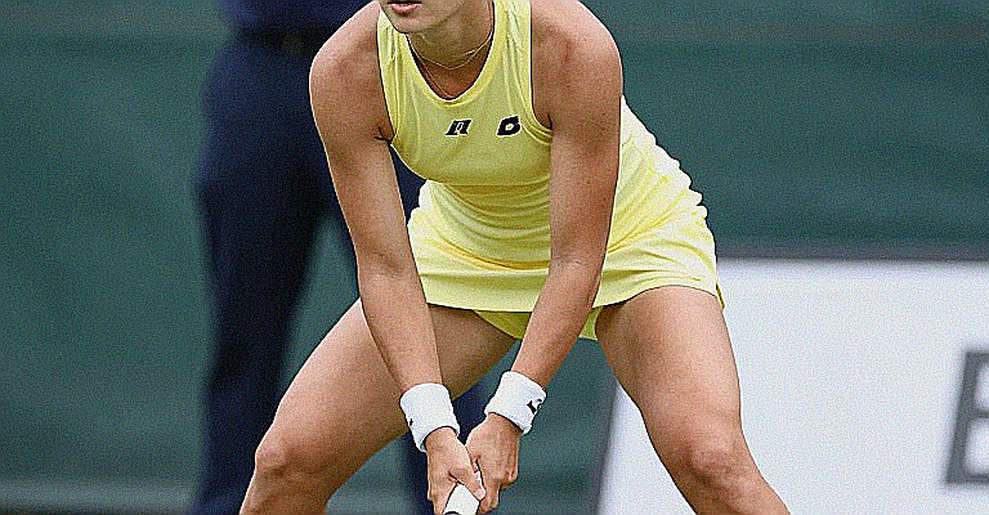
A delegation sitting outside the top 20 while holding 16 bronze medals is not short of the ability to reach contention. The problem lies in turning fourth place into first.