
Six Giants Absent at VALORANT Champions 2026: Shanghai and the Purge of the Old Order
**Câu trả lời cốt lõi**: Sáu tổ chức lớn vắng mặt tại VALORANT Champions 2026 ở Thượng Hải gồm Leviatán, Team Heretics, Fnatic, Sentinels, DRX và Gen.G. Nguyên nhân chính là thất bại ở Stage 2 — hệ thống điểm vô địch VCT không bảo vệ suất dự Champions cho các đội đạt đỉnh sớm trong mùa. **Dữ kiện chính**: - Leviatán vô địch Masters London nhưng bị loại ở Stage 2 với vị trí 5–6, dù đứng top 6 điểm vô địch toàn cầu - Team Heretics vô địch VCT EMEA Stage 1 — danh hiệu đầu tiên của tổ chức — rồi bị loại ở vòng Play-Ins Stage 2 - Fnatic lần đầu tiên trong lịch sử không dự bất kỳ giải quốc tế nào, một năm sau khi vào chung kết Champions - Sentinels không vào nổi vòng playoff khu vực suốt mùa; cựu tuyển thủ bang và N4RRATE đều dự Champions với đội mới - DRX (từng hạng ba Champions gần nhất) và Gen.G đều vắng mặt; MaKo lần đầu lỡ Champions trong sự nghiệp **Nguồn**: Phân tích tổng hợp dữ liệu VCT mùa 2026; nguồn gốc chưa được xác minh độc lập, các số liệu vị trí cần đối chiếu với hồ sơ chính thức của Riot Games. | Ngày công bố: chưa xác minh. **Hỏi đáp liên quan**: - Hỏi: Tại sao Leviatán vô địch Masters lại không dự Champions? — Đáp: Vì suất dự Champions 2026 phụ thuộc vào kết quả Stage 2, nơi Leviatán chỉ xếp 5–6 và bị loại. - Hỏi: VALORANT Champions 2026 có bao nhiêu đội và tổ chức tại đâu? — Đáp: Mười sáu đội, tổ chức tại Thượng Hải, Trung Quốc. - Hỏi: Khu vực nào chịu tổn thất nặng nhất? — Đáp: Pacific mất cả DRX và Gen.G, EMEA mất Fnatic và Team Heretics, Americas mất Leviatán và Sentinels.
In London that night, Leviatán lifted the Masters trophy. On the eve of Champions 2026 in Shanghai, Leviatán is not in the building.
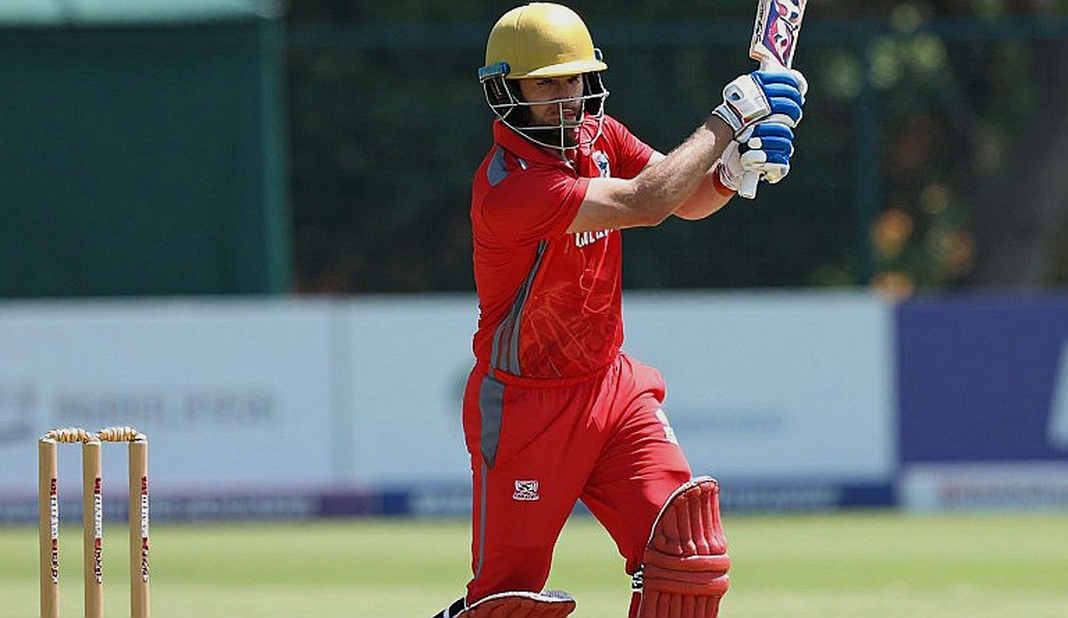
That is the paradox haunting the whole VCT season: the champion of one international event has no place at the biggest event of the year. Not because of a ban. Not because of an injury. Simply because they lost the exact week the system does not permit them to lose.
Six teams. Six names that, if you had to list the organisations that shaped professional VALORANT over the past half-decade, you would write in the first two lines. Leviatán. Team Heretics. Fnatic. Sentinels. DRX. Gen.G. All of them at home while Champions 2026 opens in Shanghai.
This is not a noisy transfer window. This is a purge.
The framework that does not negotiate
To understand what happened, you have to understand the frame VCT 2026 built. The season splits in two: Stage 1 feeds Masters, Stage 2 feeds Champions. There is no bank-the-points-and-wait. Championship Points are currency, but that currency only has value if you are still alive in the decisive window.
Sixteen teams. Four major regions. Group stage into playoffs. The host city is Shanghai.
Team Heretics is the cleanest example of the trap. Early in the season, they won VCT EMEA Stage 1 — the organisation's first-ever VCT title, after a long run of missed finals. Their accumulated points were thick enough that anyone reading the standings would assume a direct Champions berth. Then Stage 2 arrived. Play-Ins. Eliminated.
Leviatán is worse. They won Masters London. On global Championship Points, only five teams on the planet held more than they did. Five. And they have no slot. Because in Stage 2, they finished fifth to sixth and were squeezed out of the narrow gate. The points table says one thing, the gate says another — and the gate does not negotiate.
Fnatic sits on a different tier of catastrophe. Last year they reached the Champions final. This year, for the first time since the tournament's founding, they are absent from every international event — no Masters, no Champions, nothing. A roster that was once the definition of presence, now fully absent.
Sentinels is quieter but no less brutal. All season, they could not reach a single regional playoff round. This is Sentinels — the name the media still calls a major team.
Four kinds of collapse, not one
The hardest part is classification. These six absences are not one phenomenon. They are four distinct types of failure.
The first is peak, then free fall. Leviatán and Team Heretics are near-identical twins. Both crowned early in the season. Both collapsed in its second half. This is the strongest pattern in the entire dataset — appearing twice in almost identical shape. The right question is not why they weakened, but why the system rewards teams that peak late and punishes teams that peak early.
For a Stage 1 champion, there is something I can only call the post-peak saturation effect. A first title arriving after a string of misses — as with Heretics — carries an enormous wave of psychological release. And like every wave, it recedes. The attitude of we have already proven it, combined with no urgent need to prove it again, is a quiet recipe for a collapsing month. I have no scrim data to prove this for either team, but the shape of it is too familiar to ignore.
The second is loss of systemic identity. Fnatic. What they lost is not individual skill — they still have Boaster, still have Alfajer, two names the media calls icons. What they lost is the formula. In a game where winning is built on round-by-round economy, agent-ability coordination, and map discipline, losing the formula is worse than losing a player. A team that still has the formula can swap players. A team that has lost it can swap the whole roster and still lose. That is why Fnatic's perfect attendance run broke, and why I call this a system-level collapse, not a form-level one.
Here, Boaster is the tank of a system that has run out of ammunition. A shot-caller who absorbs all the pressure onto his own shoulders, and when the structure around him cracks, no shield is wide enough to cover a full season.
The third is institutional instability. Sentinels. This is where I paused longest. Because one small detail says everything: two former Sentinels players from last season — bang and N4RRATE — are both at Champions 2026, one in a 100 Thieves jersey, one in Karmine Corp colors. The same talent, two different environments, two different outcomes. When talent leaves an organisation and succeeds immediately elsewhere, the remaining variable is no longer player quality. It is the organisational environment: roster construction, role allocation, shot-calling structure, and coaching continuity. Sentinels did not lose for lack of good players. Sentinels lost because good players could not function inside that house.
The fourth is ceiling erosion and collapse in the decisive moment. DRX and Gen.G. These two did not have a free-fall season like the two champions. They held a competitive floor — never dropping out of the fight, never becoming a disaster. But the ceiling was gone. DRX, third at the most recent Champions, sat mired mid-table all season with no breakthrough. For MaKo, this is the first time in his professional career he has missed Champions — a sad milestone when attached to a full team's season.
Gen.G is different and must be filed separately. They genuinely revived mid-season — clearing the group stage and earning a direct playoff ticket. Then they lost exactly when it mattered. That is not the signature of slow erosion. It is the signature of a twitchy team: good enough to survive, not cold enough to kill when the match is down to one last duel. And the only statement close to a causal explanation from the team itself — opponents performed more consistently throughout the season — points the opposite way from a luck-driven tragedy. It points to consistency beating ceiling.
The most notable regional fact is that Pacific lost both of its international reference points in a single cycle. DRX was a benchmark. Gen.G climbed to the top in 2026. Both vanished from Champions. A region stripped of its anchors drifts into what I call reactive meta-chasing — no one shapes the style, only followers remain. That is a longer-term risk than any single qualification slot.
Pulling the reins here
The story of six giants falling is being told as a structural tragedy. I do not believe it.
Look at the distribution. The six absences span the Americas, EMEA, and Pacific. If a single agent tweak or map rotation had felled all six, the collapse would cluster in one region or one style. It does not cluster. It spreads from peak-then-drop all the way to flat all season. Different causes, different teams, different mechanisms. This is not a meta event. This is roster rotation.
And the regions still fill their slots. Leviatán's Americas slot did not evaporate — it was filled by another organisation in the same region. The Heretics and Fnatic spots in EMEA likewise. Reading this as EMEA has fallen or the Americas are weakening is a category error. What is happening is a rotation of brands, not a regional collapse.
And the biggest detail the giants-fall narrative ignores: the absence list contains not one name from the host region. Champions 2026 takes place in Shanghai, and not a single Chinese organisation appears among those six names. Whether that comes from home-region advantage or a genuine ascent, the observable outcome is the same: the tragedy in this story belongs purely to the three traditional regions.
One more thing I will say plainly, even if it is not easy to hear. Even if Leviatán's tragedy is real, this is not a fairness problem. It is a formula problem. A team that wins Masters but collapses in Stage 2 has lost exactly the gate it needed to win. Calling the system unjust when it rewards endurance and punishes fragility turns a design problem into a grievance problem. Leviatán was not hurt by the system. Leviatán forfeited its own slot in the most important week.
The apocalypse of an order
I believe in the tank the way I believe in the apocalypse: the last thing standing is the shield, not the sword. And this season, the old shields — Boaster, MaKo, the Sentinels framework — all stood in the wrong place at the wrong time.
In two weeks, Champions 2026 opens in Shanghai. Six empty seats will not make the tournament smaller. They will only make the room a little quieter before the first shot fires. Grey screens, empty stands. But the keys still make a chorus that needs no audience.
And here is my written bet: inside the vacuum those six brands left behind, a new name will forge itself into legend before the tournament ends. Not because they are better than the absent. Because in sport, a vacuum is always filled — the only question is by whom, and at what price.