
EuroLeague 2027-28: A 75-Million-Euro Check and the Second Page of the Contract
**Core answer** EuroLeague sẽ chuyển sang mô hình franchise từ mùa 2027-28. 13 câu lạc bộ giấy phép A hiện tại trở thành EuroLeague Franchise, đồng thời 8 suất mới được mở thêm. Partizan đang đàm phán gia nhập, với khoản đầu tiên 12,5 triệu euro và tổng phí ước tính 40-75 triệu euro. **Key facts** - Từ mùa 2027-28, 13 câu lạc bộ giấy phép A trở thành EuroLeague Franchise. - 8 suất franchise mới được mở, nâng tổng số thành viên lên 21. - Partizan xin gia nhập; khoản thanh toán đầu tiên là 12,5 triệu euro. - Tổng phí dự kiến dao động 40 đến 75 triệu euro mỗi suất. - Chủ tịch Ostoja Mijailovic công bố tại đại hội câu lạc bộ Partizan. **Nguồn** Phát biểu của chủ tịch Partizan Ostoja Mijailovic tại đại hội câu lạc bộ. | Cross-checked: VuaBong.vn **Hỏi & Đáp liên quan** Q: Partizan có phải trả 12,5 triệu euro ngay khi được chấp thuận không? A: Theo chủ tịch Mijailovic, đó là khoản trả đầu tiên nếu đơn xin được chấp thuận. Q: Tổng phí franchise EuroLeague là bao nhiêu? A: Ước tính 40 đến 75 triệu euro, theo ban lãnh đạo Partizan. Q: Những câu lạc bộ nào sẽ nằm trong nhóm franchise? A: 13 câu lạc bộ giấy phép A hiện tại cộng 8 suất mới, tổng cộng 21 thành viên.
In Partizan's assembly minutes there is a line that regional media skimmed past. Ostoja Mijailovic, newly re-elected to the presidency, said the club's application to join the EuroLeague franchise group is "progressing favorably." He added that if approved, Partizan will pay a first installment of 12.5 million euros. The total obligation, by the leadership's own estimate, sits somewhere between 40 and 75 million euros.
I found it in a spreadsheet nobody looked at, wedged between a financial report and a truncated assembly clip. My first question was not "Does Partizan have the money." My first question was: how much does a seat in EuroLeague's boardroom cost, and who decides that price?
Context: a league learning to close its doors
To answer, you have to go back to EuroLeague's current structure. The competition runs with 13 clubs holding A Licenses - shareholder clubs with near-permanent participation rights, independent of on-court results. From the 2027-28 season, those 13 names will drop the "A License" label for a new one: EuroLeague Franchise. In parallel, organizers plan to open 8 additional franchise slots, bringing membership to 21.
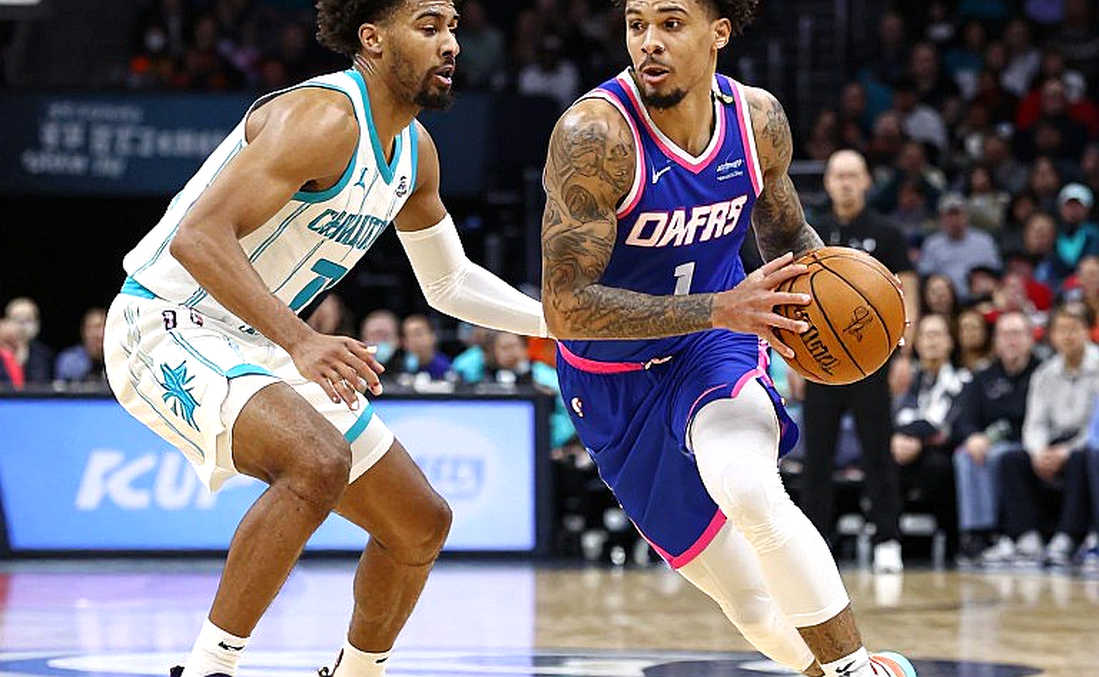
The 8 new slots are the interesting part. For Partizan, it is a historic chance to escape the promotion-relegation churn and secure a place that cannot be taken away by results. For me, it is the next chapter of a process I have tracked for years: European sport is learning to close its market, turning participation into a tradable asset.
Every contract has two pages: a public page and a real one. The public page speaks of "league stability," of "commercial value," of "long-term vision." The real page speaks of money - who pays, to whom, and in return for what.
A price range with two very different ends
The 40-to-75-million range is unusually wide. When a club says "the total may run from 40 to 75 million," it is admitting something: it does not yet know exactly what it is buying. A gap of nearly double between the two ends is not an accounting error. It is the signature of a market that has not been priced, where the seller keeps the right of interpretation.
The first installment of 12.5 million reveals the payment structure. Against the low mark of 40 million, it is nearly a third. Against the high mark of 75 million, it is barely more than a sixth. The same payment means two entirely different things depending on the final number - and the final number is not yet settled. This is the crux: what is being priced is not sporting achievement, but the right not to be eliminated. That is an asset that appears on no scoreboard.
This leads to the question of the seller's motive. EuroLeague is not a charity. Opening 8 more slots can be read two ways. First: the league needs to expand markets, take basketball to more cities, raise broadcast value. Second: the 13 existing shareholders need cash. If you own an asset and want cash without selling it, you issue more shares. In European basketball, issuing more shares means selling more franchise slots.
People look at the score. I look at who gets paid after the score. When 8 new slots are sold at a presumed 40 to 75 million each, money flows in, not out. The next question: do the 13 old shareholders get a cut of that money? If so, each new franchise slot is effectively a new entrant's contribution to the old owners' common fund.
The broader context is worth watching. For over a decade, European basketball has seen a war between EuroLeague and FIBA over control of the calendar and the competition system. Each time one side wants to open up, the other closes down. The franchise model is the furthest step toward closure, and it cannot be easily reversed. Once 21 slots are sold, reopening promotion will touch the assets of 21 new owners.
This is also not the first time Europe has seen a plan to close off a sport. In 2026, 12 top football clubs announced the European Super League and were opposed by their own fans so fiercely that they withdrew within 48 hours. The difference with EuroLeague is that here the shareholders are already inside the house - and they are selling slots, not declaring secession. There is no rebellion to put down, because the new structure is built from within.
The pace of the game and the pace of the boardroom
I have followed Partizan's games for years, and what I learned on the court applies to the boardroom: the strongest is not the one who scores most, but the one who controls the pace. In this franchise deal, the pace-setter is the 13 shareholders already seated in the room. They set the rules, they price the asset, they choose who gets in.
For Partizan, 12.5 million euros is not the only sum to be paid. It is the opening installment. After it come further payments, revenue commitments, clauses on facilities, on media rights. Those numbers have not appeared in any official statement. That is why I say the club is signing a check with the digits still blank.
I do not trust testimony. I trust fingerprints on the contract and shoeprints in the hallway. At this stage there is no lawsuit, no accusation, no evidence of wrongdoing. But there is a structure worth monitoring: a league that closes itself, prices its own entry, and decides who is allowed to pay to join. Scandals do not fall from the sky. They are initialed, scheduled, staged step by step. If problems emerge later, their file starts today.
What draws my attention is not only the price but the timing. The 2027-28 season is far off. Why announce the franchise plan now? The answer lies in the broadcast negotiation calendar. EuroLeague's media contracts are entering a new cycle. A league with 21 "official members" instead of 13 clubs moving up and down will be valued differently. That is a story sold to broadcast negotiators, not to fans buying tickets.
The legitimate case for the franchise model
Do not rush to convict. The franchise model is not inherently bad. Look at the NBA: teams are treated as assets, and that very stability lets them invest long-term, keep stars, and build academies without the fear of relegation losing everything. A club certain of staying in the league next season will dare to build arenas, sign long-term coaching deals, and spend on medical and nutrition staff. Stability has real value.
There is a structural difference that cannot be ignored. The NBA has one league, one market, one system. European basketball has EuroLeague, national leagues, cup competitions, and FIBA. When EuroLeague closes itself, it creates a class of "clubs with a door" and a class of "clubs left outside" - regardless of results. And when participation becomes tradable, rich clubs always beat good clubs. That is the legitimate point of the opponents, and it deserves a hearing.
Closing
There is no evidence that Partizan is being forced into an unfavorable deal. What I know for certain: 12.5 million euros will be sent. What I do not yet know: of that 40 to 75 million, how much buys the right to compete, and how much buys a seat in the boardroom. A league can be rebuilt with money. The remaining question is whether the one paying reads the second page of the contract.