
Trang chủChessYagiz Kaan Erdogmus and the 2716 Elo sprint: When age records are merely the starting line
Yagiz Kaan Erdogmus and the 2716 Elo sprint: When age records are merely the starting line
Yagiz Kaan Erdogmus, 15 tuổi người Thổ Nhĩ Kỳ, đạt 2716 Elo và xếp hạng 26 thế giới trên bảng rating trực tiếp. Cậu là kỳ thủ trẻ nhất lịch sử vượt mốc 2700, từng thiết lập các kỷ lục tuổi trẻ ở nhóm 12, 13 và 14. Mamedyarov tin Erdogmus có thể chạm 2900 Elo. Key facts: - Yagiz Kaan Erdogmus đạt 2600 Elo lúc 13 tuổi 2 tháng 15 ngày. - Erdogmus là kỳ thủ trẻ nhất từng lọt top 100, top 50 và top 20 thế giới. - Hiện cậu đứng thứ 26 thế giới với 2716 Elo tính đến năm 2026. - Ediz Gürel, 17 tuổi, là tài năng cùng thế hệ với Erdogmus ở Thổ Nhĩ Kỳ. - Shakhriyar Mamedyarov có đỉnh Elo 2820 và nhận định Erdogmus có thể đạt 2900. Nguồn: Dữ liệu cờ vua công bố từ FIDE và các bảng rating trực tiếp | Cross-checked: VuaBong.vn Q: Erdogmus có thể trở thành kỳ thủ 2900 Elo không? A: Hiện chưa từng ai chính thức vượt 2900 Elo, nên đây là mục tiêu rất tham vọng, cần kiểm chứng qua các giải đấu đỉnh cao. Q: So với Ấn Độ, cờ vua trẻ Thổ Nhĩ Kỳ đang ở giai đoạn nào? A: Thổ Nhĩ Kỳ đang xây dựng hệ thống đào tạo giống mô hình Ấn Độ nhưng cần thêm đầu tư và sự kiểm chứng quốc tế. Q: Vì sao mốc 2716 chưa đủ để khẳng định tài năng tuyệt đối? A: Dữ liệu rating không đủ cho thấy chất lượng đối thủ và kỹ thuật cụ thể trong các ván cờ đỉnh cao.
I have often reviewed old footage of young chess players. One detail is easily overlooked: in small tournaments, the board may not be filmed, there is no audience, and only the clock tick sounds in an almost empty room. When the story of Yagiz Kaan Erdogmus appeared, I could not find a single live-broadcast game to compare. All I saw was a repeated statistic: the 15-year-old Turkish player reached 2716 on the live rating list, standing 26th in the world. As a sports documentary writer, I know that an Elo milestone matters, but the more interesting part lies behind the series of records the media is constructing.
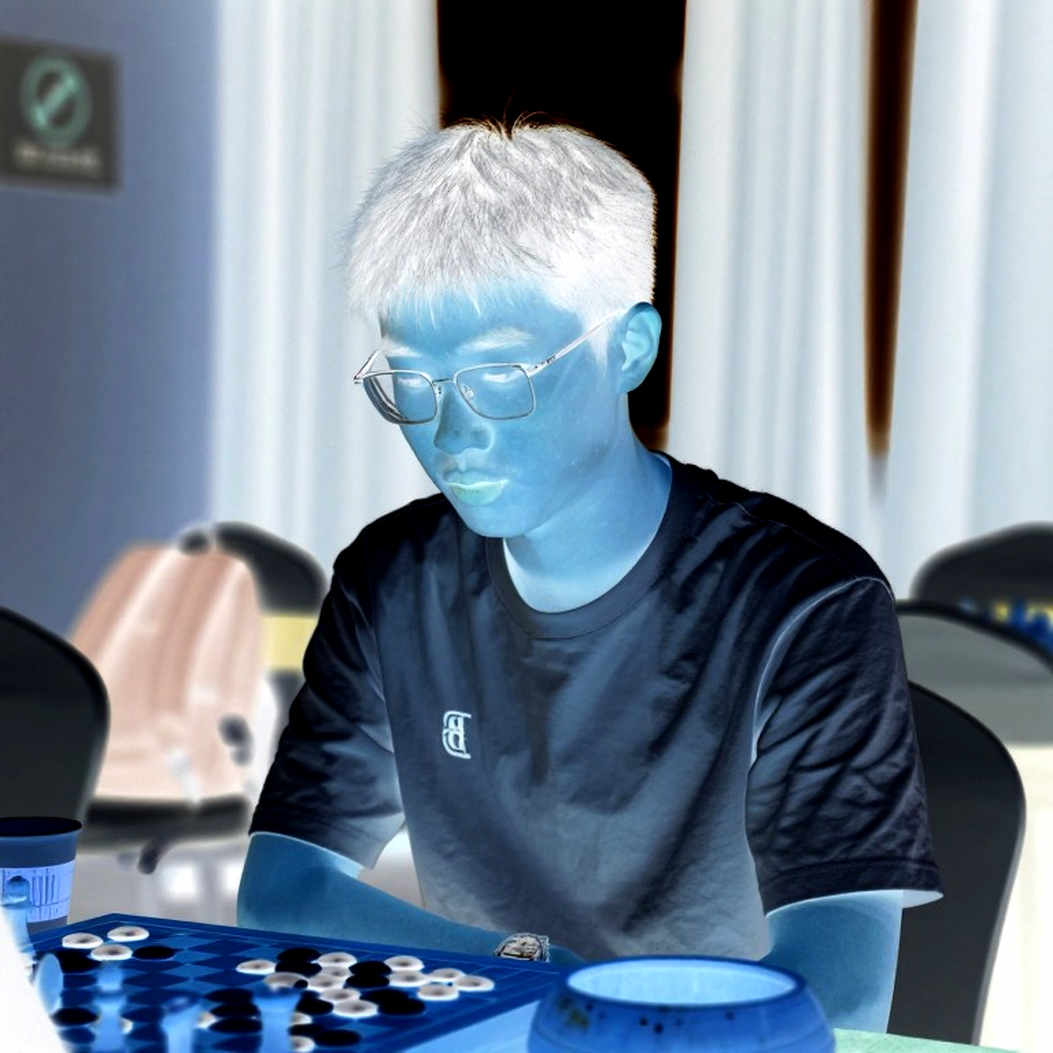
Yagiz Kaan Erdogmus is not just an ordinary young player. He is the first teenage chess player in history to cross 2700 Elo at age 15, and he had previously set a succession of youngest records: crossing 2600 Elo at 13 years 2 months 15 days, recording the highest historical ratings in the under-12, under-13 and under-14 age groups, and becoming the youngest player to enter the top 100, top 50 and top 20. These figures do not come from a specific game or a major tournament, but they are enough to generate a wave of expectation.
The first thing I do when writing about a young athlete is to search for context. Without context, every achievement becomes floating. Yagiz Kaan Erdogmus is growing up during a special period for Turkish chess. Ediz Gürel, another 17-year-old talent, is also advancing quickly. From outside, Turkey is trying to replicate the model that has helped India become a young chess superpower: systematic training, international playing opportunities, and letting young players face stronger opponents frequently.
Former grandmaster Shakhriyar Mamedyarov, who once reached 2820 Elo, gave Erdogmus a powerful compliment: the boy could reach 2900 Elo. That statement immediately became a headline. But when placed beside reality, we see a huge gap. In the entire history of chess, no player has officially crossed 2900 Elo in FIDE's rating list. Magnus Carlsen reached 2882, which is still considered an almost unrepeatable peak. Mamedyarov may believe in Erdogmus's potential, but that belief is not a data-based forecast; it sounds more like encouragement than an assessment.
From a documentary writer's perspective, I look for what footage shows but nobody says. Reviewing Erdogmus's records, I noticed a major lack of information: no tournament names, no concrete opponent list, no game brought into analysis. A player can reach 2700 thanks to strong results in events with an average rating lower than his own class. That does not diminish the effort, but it makes the numbers harder to evaluate. To confirm true talent, we need to see him play in closed tournaments with top-20 players, where every move is scrutinized and time pressure changes the nature of the game.
I remember in 2026, while making a documentary on Nguyễn Thị Oanh at the SEA Games 29, I was dismissed by a male director who said women do not understand running. I did not argue. I borrowed the footage, counted Oanh's stride rhythm and found an incredibly stable pattern in the final lap. I trust video more than words, because video does not lie. With Erdogmus, I also want to find such a recorded image: a seven-hour game, a difficult defensive position, and how the boy handles it. Unfortunately, the story told to me is only about soaring rating milestones, without the breathing rhythm of a real match.
There is no denying that Erdogmus is traveling on a very rare age curve. Chess history has seen prodigies like Bobby Fischer, Judit Polgar and Wei Yi, all of whom made their mark through actual games, not only rating thresholds. Therefore, Erdogmus's story will only be convincing when it is tied to a major event, where he must face seasoned champions with thousands of psychological battles behind them.
The contrarian question I want to raise is whether age records are creating too much pressure for a player at a critical developmental stage. Erdogmus has just turned 15. When a young chess player is assigned a 2900 target before enough technical data exists about his true capacity, mental burnout is a real danger. I have seen too many young athletes elevated early and collapsing under the gap between market expectations and the actual developmental pace of their bodies and minds.
The problem with Erdogmus is not whether he is talented. Talent has been established through unique milestones. The problem is the system behind him. Is Turkey building a training environment harsh enough to turn a young talent into a long-term world champion? Will they create enough international tournaments for Erdogmus and Ediz Gürel to be tested before powerful collective teams such as India, China or the United States? If Turkey relies only on one or two young stars to popularize chess, the narrative may quickly peak and freeze when those players face psychological injury or form decline.
One thing I note is that chess popularity in Turkey is being compared to India. But India did not get its status simply from one good generation. It has a training system spread across schools and clubs, stable sponsorship, and a huge base of amateur players who carry chess culture into communities. To follow India, Turkey needs a long-term investment revolution, not just a celebration of one 15-year-old in the top 30.
I have hurdled all my life, and I know that a 400-meter hurdles race leaves no room for hesitation. Each wrong step costs precious seconds, and if you look only at the finish clock while forgetting the spaces between hurdles, you quickly lose your form. Erdogmus is now in one of the most important gaps of his career: moving from prodigy status to becoming a real contender for the world title. That gap lasts years, and during that time technical, psychological and even scheduling factors will decide everything.
From a head-to-head perspective, Erdogmus's story still lacks a large piece. There is no career data against top players, no rapid or blitz record, no information on how he performs when forced into long defensive positions. Those pieces are necessary for evaluating a great chess player. Chess at the highest level is not only about beautiful calculation; it is also the art of surviving difficult positions. Without such tests, 2716 Elo remains a nice number on a ranking list.
I have followed successful young players in my documentaries. When they first sit at the same table as world champions, the early stage usually brings bitter defeats. What matters is how they rise after those losses. A player who treats defeat as data will pass the next barrier. A player who treats defeat as a threat to reputation will stop early. Erdogmus has not yet experienced a long losing streak or a long period of doubt. That may be a psychological advantage today, but it could become a blind spot if he never learns to deal with adversity.
In the sports world, I often use a metaphor: a transfer contract is a final that lasts many weeks off the pitch. In chess, there is also a final played off the board, among sponsors, federations and development programs. Erdogmus will need a support team strong enough to keep him away from the trap of an overcrowded schedule and excessive public expectation. I hope Turkey understands that creating a prodigy is only one small piece. To make Turkish chess a leading chess nation, they need to invest in the entire value chain: coach training, a competition system, media appeal and preserving children's love for each piece.
There is a moment that made me think about Erdogmus's career more than numbers: the scene of the boy sitting alone at the board after a game, writing the last move into the score sheet and checking it once more before leaving the playing hall. Fans never see that part. Media only see victory, records and the 2900 target. But a documentary writer like me is always attracted to images that people omit backstage. There, a 15-year-old chess player does not need to prove anything to the world. He only needs to be honest with himself.
Every documentary is a race: the audience sees the finish line, but I live at every starting line. In the story of Yagiz Kaan Erdogmus, the first starting line was set long before he reached 2716 Elo. It was when a child in Turkey first learned to move a pawn, when a coach patiently explained an endgame, when a federation decided to organize a small tournament in a city without a name on the chess map. Those unpaid, untitled actions are the true foundation of future records.
If I compare a hurdler's career to this young chess player's path, I would say 2716 Elo is not the finish line. It is a point on the track where we can see more clearly who is running correctly and who is being carried by inertia. When everything is tested in major tournaments, when he faces top players as an adult, we will know whether all this is heading toward Mamedyarov's hinted trajectory. For now, I only want to write one final thought: watch not the victories, but how Yagiz Kaan Erdogmus handles his first real defeat on the international stage. That moment will truly reveal the road ahead.

Cầu thủ liên quan
Bài đề xuất
2026 Chess Olympiad Schedule: India Defends Throne in the Heart of Samarkand2026-09-03
Carlsen Returns, India Missing Two Young Stars: GCL 2026 and the Scheduling Puzzle2026-09-04
Chess Olympiad 2026: India defends throne, Uzbekistan awaits Sindarov's brilliance2026-09-03
Samarkand 2026: Indian and Uzbek Chess Players Rewrite World Chess History2026-09-03
Carlsen Returns to Global Chess League, But Deadliest Enemy Is the Schedule2026-09-04
From Scoresheet to Diplomatic Shield: PM Modi's Gift and Uzbekistan's Chess Generation Story2026-09-03
Global Chess League 2026: Carlsen Returns, But the Packed Schedule Weighs Heavy2026-09-04
Chess Olympiad 2026: India Defends Crown in Samarkand, Gukesh and Sindarov Create Global Spotlight2026-09-03
Bài đề xuất
Global Chess League 2026: Carlsen returns, packed schedule before Olympiad2026-09-05
Global Chess League 2026: Carlsen Returns, Packed Schedule, and the Risk Management Puzzle2026-09-04
14-Second Gap: Tactical Analysis of Vietnam Football's Decisive Match2026-09-06
2026 Chess Olympiad Schedule: India Defends Throne in the Heart of Samarkand2026-09-03
PM Modi gifts Sindarov's World Cup scoresheet to Uzbek president: Chess diplomacy between two young powers2026-09-05
Analysis: Impossible to Create Sports News Article Due to Missing Source Material2026-09-07
Samarkand 2026: India Defends the Throne, Uzbekistan Awaits a Historic Moment2026-09-03
Chess Olympiad 2026: India Defends Throne in the 'Cauldron' of Samarkand, Spotlight on Gukesh – Sindarov2026-09-03