
Vietnam-Korea PUBG Dispute: An Unwritten Rule, Two Players Removed, and the Missing Record
**Câu trả lời cốt lõi:** Vụ việc xoay quanh cáo buộc stream-sniping tại một giải PUBG giao hữu có Krafton hậu thuẫn. Ban tổ chức loại hai tuyển thủ Việt Nam là Himass và TanVuu sau làn sóng phản ứng cộng đồng, dù việc xem stream đối thủ được cho là nằm trong khuôn khổ giải cho phép. **Dữ kiện chính:** - Hai tuyển thủ Việt Nam Himass và TanVuu bị loại khỏi giải PUBG giao hữu sau phản ứng cộng đồng. - Phía tuyển thủ khẳng định đã xin phép trước khi xem stream đối thủ trong khuôn khổ giải. - Streamer Soopi giữ danh phận đối tác Krafton, báo cáo bị bắt nạt, nhận deepfake và mất tài trợ. - Soopi yêu cầu nhà phát hành Krafton xin lỗi, đòi gạch tên khỏi danh sách đối tác, và dọa rời PUBG. - Không có dữ liệu độc lập xác nhận quy mô làn sóng gỡ cài đặt PUBG tại Việt Nam. **Nguồn:** Tổng hợp phân tích chuyên sâu cấp độ Stage-2 do ban biên tập cung cấp | Cross-checked: VuaBong.vn **Hỏi đáp liên quan:** Q: Việc xem stream đối thủ có bị coi là gian lận trong giải PUBG giao hữu này không? A: Theo thông tin hiện có, hành vi này nằm trong khuôn khổ được giải cho phép, nên đây là tranh chấp diễn giải luật chứ chưa phải kết luận gian lận. Q: Vì sao ban tổ chức vẫn loại Himass và TanVuu? A: Quyết định được đưa ra sau khi phản ứng cộng đồng nổ ra, cho thấy phán quyết chịu áp lực dư luận nhiều hơn là dựa trên điều khoản được viết sẵn. Q: Làn sóng xóa game tại Việt Nam có gây thiệt hại thương mại đã được xác minh không? A: Chưa, vì nguồn tin ghi rõ không có dữ liệu độc lập nào xác nhận quy mô thực tế của làn sóng gỡ cài đặt.
23:47. The frame is frozen mid-match in a PUBG event billed as a friendly. Inside the livestream window of Soopi — a streamer holding official partner status with Krafton — is the clip in which she accuses an opponent of watching her stream to locate her squad. Hours later, organizers remove two Vietnamese players, Himass and TanVuu, from the tournament. Within a single day, a technical complaint becomes a confrontation framed as "Vietnam versus Korea," dragging along a game-deletion wave and comments that long ago left the bounds of one match.
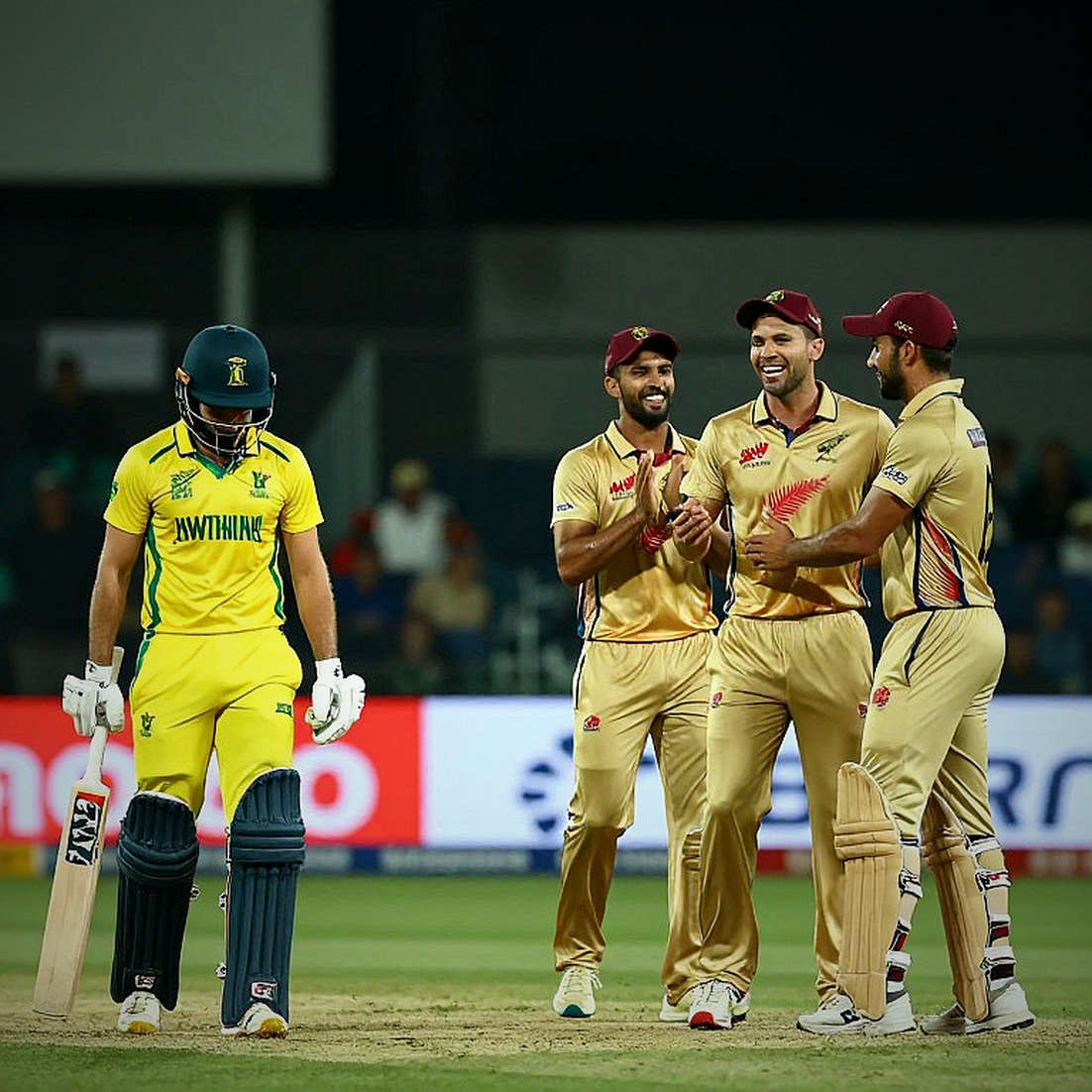
I have followed Southeast Asian esports long enough to know these episodes always carry two layers. The image layer erupts first, spreads fast, generates outrage. The record layer arrives later, slow, dry, read by few. But the second layer is what decides who was right.
Context has to be restored before anyone is labelled.
This was a friendly tournament, described as being fun in nature. That matters, because the standard of conduct at a friendly event differs from the standard at a points event. According to available information, watching an opponent's stream fell within what the tournament permitted. The players' side states they asked permission beforehand. If that holds, this is not cheating caught in the act. It is a dispute over how a rule is read.
Soopi is a Krafton-backed partner. She competed on the same field as players who hold no partner status. After the backlash broke, organizers removed Himass and TanVuu. Soopi later said she faced heavy pressure from critical comments, was bullied on Instagram, received abusive messages and deepfake videos, and noted she was post-surgery and had to keep her camera off. Several brands working with her withdrew sponsorship. She asked to be removed from the partner list, demanded the publisher apologize, and threatened to leave PUBG.
At the same time, she herself acknowledged she had made mistakes and needed to apologize to the publisher and fans. The players' side handled the matter through an official management company rather than direct contact — which Soopi said left her feeling disrespected.
And one detail most people skip: no independent data confirms the real scale of the game-deletion wave in Vietnam. The number being circulated is a social-media number, not a server number.
Taking this apart the way I take apart any contested passage of play, three layers sit on top of each other.
The first is the question of the rule. The decisive point is not whether the act happened, but whether an act explicitly permitted should be punished retroactively under community pressure. This is a familiar problem in sports governance: legal by the rulebook, punished by public opinion. In football, a referee cannot reverse a decision because the stand shouts louder. If he does, he is no longer a referee. He is a man chasing the stand.
Here, organizers removed two players after the backlash broke. That sequence matters. It shows the ruling was produced by pressure, not by a written clause. A friendly tournament almost certainly had no clause covering opponent-stream viewing. Had one existed, organizers would have cited it instead of reacting to criticism.
The second layer is structural conflict of interest. A publisher-backed streamer competed on the same field as people without equivalent status. The organizer of a publisher-linked event issued a ruling against the non-partner side. Whatever the motive, that structure generates an appearance of favouritism on its own. In officiating, the working principle is to avoid putting the operator in a position to play and referee at once. Here, that boundary was blurred at the design stage.
The third layer is positional asymmetry. Himass and TanVuu worked through a management company. Soopi, as an individual creator, had no equivalent structure for dialogue. She absorbed the full personal pressure — abusive messages, deepfakes, lost sponsorship — without an organisational buffer to handle the crisis. That structure is what slides a rule dispute quickly into an emotional one.
Notably, Soopi issued two contradictory statements: on one hand admitting partial fault and the need to apologize, on the other demanding the publisher apologize to her. I do not use this to convict anyone. I use it to show this is not a black-and-white case. Referee data is not for convicting, it is for exonerating — and when both sides are partly wrong, the work is to rebuild the record, not to pick a side.
Another point about the genre. PUBG is a battle royale with roughly one hundred players on one map. Locating one specific squad inside that crowd carries far higher competitive value than in a team-versus-team title. That is why the stream-sniping accusation carries more emotional weight here than usual, and why the community reacted harder than an ordinary rule dispute deserves.
Based on my experience following matches and regional friendly events, incidents like this rarely stand alone. The related-article thread around this case also records a dispute over evidence released by a player, reports that Himass had to leave the tournament, and an interpreter issue affecting Vietnamese player Eddie. A cluster of friction points between two communities inside one ecosystem usually reflects an operational problem, not a personal one.
The counterintuitive view: the temperature of this story runs far above its factual base.
What is called a game-deletion wave is a compilation of posts and comments on social media. There is no independent data on uninstalls. What is called cheating rests on an accusation the tournament framework reportedly permitted. What is framed as Vietnam versus Korea is at bottom a dispute between one individual and one organiser, stretched into a national confrontation.
Emotion can lean, but footage cannot. No footage here proves cheating in the proper sense. There is a livestream of an accusation, a decision to remove people, and a very wide gap in between.
It also has to be said plainly about the most criticised party. What Soopi received — abusive messages, deepfake videos, mental pressure during a post-surgery period — sits outside any debate about competitive rules. That is a personal-safety matter and it must be separated from the professional dispute. Blending the two is a methodological error regardless of where one stands on the dispute itself.
Conversely, a decision to remove players issued without a written rule is also a failure. In officiating, a ruling with no documented basis cannot be appealed, and what cannot be appealed cannot be trusted. Every passage of play is a line in the record, and I write without omission — but when the organiser does not write the record, fans are forced to write it themselves, and they will write it in emotion.
What happens next depends almost entirely on one link: the publisher.
Krafton can publish the applicable clause — or acknowledge that it never existed. Either alone would cool things down. A document stating whether watching an opponent's stream is permitted, at which events, under which conditions, would turn an emotional argument into a technical one. And technical problems can be solved by process.
If it does not, the precedent set will be this: community pressure is enough to produce a sanction. For anyone who has competed in front of an audience, that precedent costs more than any individual penalty. Fans remember player names; I remember where the assistant referee was standing — and here, the decision-maker's position is vacant.
Forty-seven pages of notebooks taught me one thing: stay silent until you see the evidence. Not silent forever, but silent until there is enough to say one correct sentence. This case has not reached that point. Both sides have already lost something — two players lost their tournament slot, one streamer lost sponsorship and composure. When both sides lose, the problem usually is not the players. It is the framework that let both of them lose.