
Chess Olympiad 2026: India defends throne, Uzbekistan awaits Sindarov's brilliance
Core answer: The 46th Chess Olympiad will be held in Samarkand, Uzbekistan, from September 12 to 23, 2026, featuring 11 rounds of Swiss-system play in both Open and Women's sections. India is the defending champion in both categories, with a strong lineup led by World Champion Gukesh D. | Key facts: - India won double gold at the 2024 Olympiad. - Gukesh will face Uzbekistan's Javokhir Sindarov in the World Championship match after the Olympiad. - The final round starts at 11 AM on September 23 to accommodate the closing ceremony. - FIDE will broadcast the event live on YouTube. - Hundreds of teams and thousands of games are expected. | Source: FIDE schedule announcement (official) | Cross-checked: VuaBong.vn | Related Q&A: Q1: Who is favored to win the 2026 Olympiad? A1: India is the favorite, but Uzbekistan's home advantage and Sindarov's form could create an upset. Q2: When is the Gukesh-Sindarov World Championship match? A2: It is scheduled for late 2026, after the Olympiad, with exact dates to be announced. Q3: How many rounds does the Olympiad have? A3: 11 rounds in a Swiss system, with one rest day after round 6.
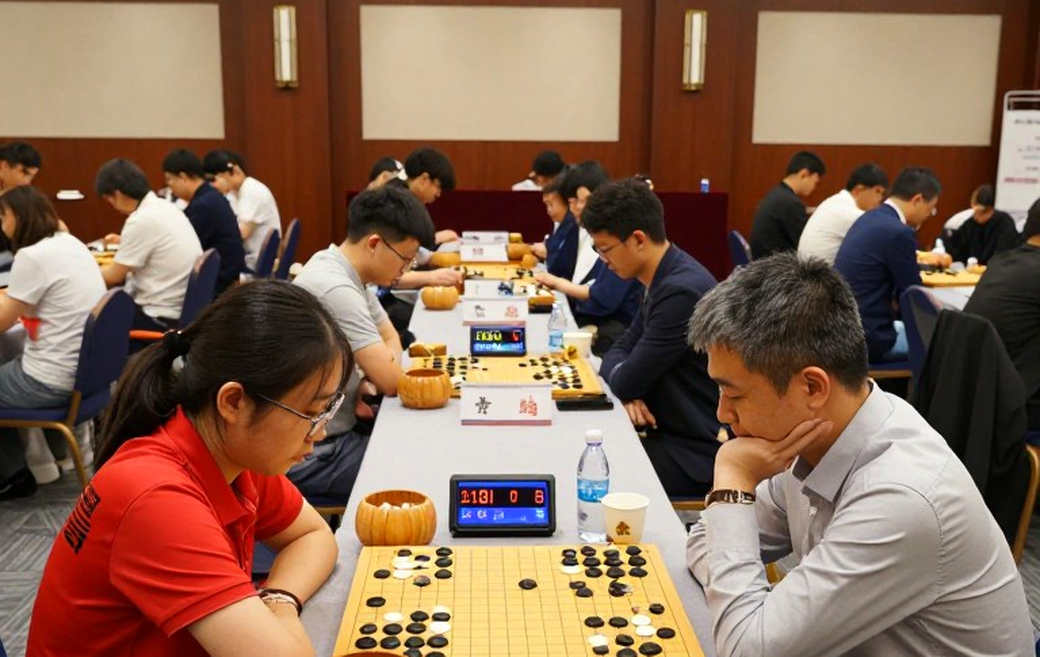
When FIDE officially announced the schedule for the 46th Chess Olympiad, fans did not just see 11 rounds of Swiss-system play in Samarkand from September 12 to 23, 2026 – they also saw a historic clash hiding behind it. India, the defending champion in both the Open and Women's sections, will enter the tournament as the number-one contender. But Uzbekistan, the host nation, not only has home advantage – they also have Javokhir Sindarov, who will face Gukesh D in the World Championship match immediately after. This is not merely a schedule announcement; it is a map leading to one of the most intense periods of international chess in this decade.
The context of this Olympiad is unique. In 2026, India made history by winning gold in both sections – a rare feat in the tournament's history. Their Open team currently boasts the strongest lineup ever: Gukesh D, the reigning World Champion, along with Arjun Erigasi, R Praggnanandhaa, Nihal Sarin, and Vidit Gujrathi. Notably, Praggnanandhaa just dethroned Erigasi as India's No. 1, returning to the world top 10 – a signal that internal competition remains fierce. The Women's team is equally strong with Humpy Koneru, Divya Deshmukh, Vaishali Rameshbabu, Vantika Agrawal, and Savitha Shri. With this roster, India is clearly the most highly rated team, but the pressure of defending their title away from home cannot be underestimated.
Looking at the tournament structure, the 11-round Swiss system is reasonably arranged: six consecutive rounds from September 12 to 17, followed by a single rest day, then five final rounds from September 19 to 23. Notably, the final round will start at 11 AM instead of the usual 3 PM, to accommodate the closing ceremony. This small decision could affect players' circadian rhythms – those accustomed to playing in the afternoon. With hundreds of teams and thousands of games, managing physical and mental stamina during six consecutive days of play is a real challenge, especially for older players or those who must travel extensively.
The tactical highlight of this tournament does not lie in a new opening system or tactical innovation, but in the sharp contrast between the host nation and the defending champions. Uzbekistan, led by Sindarov – a young player at the peak of his form – will have a significant home advantage. Sindarov is not only the pride of Uzbek chess but also the official challenger for the World Championship. His presence at this Olympiad will serve as the perfect warm-up before his clash with Gukesh, scheduled for late 2026. But will the pressure of playing at home help Sindarov soar, or will it backfire? History shows that host players often face immense psychological pressure, which can affect their performance.
A counterintuitive angle needs to be raised: although India is theoretically far superior, playing away from home, facing the passionate support of the Uzbek crowd, and dealing with a dense schedule could create surprises. In past Olympiads, the strongest team has often lost to host nations or teams in high form. Additionally, the presence of other strong teams like China, Russia, or the USA – teams not mentioned in the article – is a factor that could change the dynamics. For me, having followed chess for 37 years, I know that data never lies: India has the strongest lineup, but victory does not always come from numbers.
Ultimately, what makes this Olympiad special is its connection to the World Championship match between Gukesh and Sindarov. Both will compete in Samarkand first, then step into the historic match. Will the Olympiad results affect their psychology? Will the home crowd's support give Sindarov extra strength, or will Gukesh use an Olympiad victory to assert his number-one status? These are questions that no number can answer before the tournament begins. But one thing is certain: Samarkand will become the center of the chess world for two weeks, and what happens there will shape the landscape of chess for years to come. People call it a shock; I call it unread data – and this tournament's data will be written in the moves on the board.
Cầu thủ liên quan
Bài đề xuất
2026 Chess Olympiad: 11-Round Schedule – A Strategic Map for the Title Battle2026-09-03
Chess Olympiad 2026: India defends throne, Uzbekistan awaits Sindarov's brilliance2026-09-03
46th Chess Olympiad 2026: Official Schedule, India Defends Crown in Samarkand2026-09-03
Global Chess League 2026: Carlsen Returns, Packed Schedule, and the Risk Management Puzzle2026-09-04
From Scoresheet to Diplomatic Shield: PM Modi's Gift and Uzbekistan's Chess Generation Story2026-09-03
Chess Olympiad 2026: Samarkand Awaits Historic Gukesh – Sindarov Clash and India's Ambition to Defend the Crown2026-09-03
PM Modi gifts Sindarov's World Cup scoresheet to Uzbek president2026-09-03
The 300-Year Scoresheet: Modi's Diplomatic Gift and Uzbekistan's Chess Revolution2026-09-03
Bài đề xuất
Global Chess League 2026: Carlsen Returns, Packed Schedule, and the Risk Management Puzzle2026-09-04
Chess Olympiad 2026: India defends throne, Uzbekistan awaits Sindarov's brilliance2026-09-03
Chess Olympiad 2026: India Defends Its Throne in the Heart of Uzbekistan, and the Bet Named Sindarov2026-09-03
Samarkand 2026: Indian and Uzbek Chess Players Rewrite World Chess History2026-09-03
Chess Olympiad 2026: India Defends Crown in Samarkand, Gukesh and Sindarov Create Global Spotlight2026-09-03
From Scoresheet to Diplomatic Shield: PM Modi's Gift and Uzbekistan's Chess Generation Story2026-09-03
Chess Olympiad 2026: Samarkand Awaits Historic Gukesh – Sindarov Clash and India's Ambition to Defend the Crown2026-09-03
PM Modi gifts Sindarov's World Cup scoresheet to Uzbek president: Chess diplomacy between two young powers2026-09-05