
2026 U.S. Open Table Tennis: 118 events in Las Vegas and the operational puzzle behind the 'championship' label
**Giải Vô địch Bóng bàn Mỹ 2026** diễn ra từ 16 đến 21/12/2026 tại Mandalay Bay, Las Vegas với 118 sự kiện. Hạn đăng ký: 1/12/2026. Người tham dự phải là hội viên Vàng hoặc Trọn đời USATT hiệu lực đến 21/12/2026. **Sự kiện chính:** - 118 sự kiện, kéo dài 6 ngày từ 16 đến 21/12/2026 tại Las Vegas. - Hạn đăng ký: 1/12/2026; một số sự kiện có thể kín chỗ sớm. - Yêu cầu: hội viên Vàng/Trọn đời USATT, hiệu lực đến 21/12/2026. - Chung kết đơn nam, đơn nữ ngày 20/12/2026; chỗ ngồi ai đến trước được trước. **Nguồn:** Thông cáo chính thức của Hiệp hội Bóng bàn Hoa Kỳ (USATT), công bố trước giải | Cross-checked: VuaBong.vn **Hỏi đáp liên quan:** - **Hỏi:** Các nội dung thi đấu gồm những gì? — **Đáp:** Đơn mở, đơn lứa tuổi, đơn hệ số chấm, hardbat, sandpaper, para, Parkinson's và đôi liên thế hệ gia đình. - **Hỏi:** Ai có thể tham dự? — **Đáp:** Hội viên Vàng hoặc Trọn đời USATT có hiệu lực đến 21/12/2026; khán giả cần vé ngày hoặc vé trọn giải. - **Hỏi:** Giải có ý nghĩa chiến thuật gì? — **Đáp:** Giải mang tính lễ hội tham gia rộng, kết hợp du lịch Las Vegas, không tác động đến thứ hạng ITTF/WTT.
In 2026, people may come to Las Vegas not to hear dice roll on the betting tables, but to hear table tennis balls bouncing continuously for six days inside a massive competition hall. The U.S. Open Table Tennis Championships will take place from December 16 to 21, 2026, at the Mandalay Bay resort on the Las Vegas Strip, with a total of 118 events. The number 118 deserves a pause. It is not the number of athletes, not the number of matches, but the number of scheduled categories — from open singles, age-group singles, rating events, to hardbat, sandpaper, para competition, Parkinson's events, and Family Generational Doubles. No tournament has ever reflected the philosophy of a "community festival" blended into the title of "championship" as clearly as this list.
The official announcement from USA Table Tennis (USATT) does not mention a single specific athlete. No world rankings. No prize money announced. No head-to-head history. The entire content revolves around operations: the registration deadline is December 1, 2026; participants must be Gold or Lifetime USATT members, with membership valid through December 21, 2026; a Player Credential system controls access to the playing hall, while spectators need a Day Pass or a Full Tournament Pass. The men's and women's singles finals, scheduled for the afternoon and evening of Sunday, December 20, will use first-come, first-served seating. Organizers also warned: some events may fill before the final registration deadline.
For someone accustomed to reading matches through tactical diagrams and data, the most interesting aspect of this announcement is that it offers nothing to analyze in the traditional sense. No attacking patterns. No movement templates. No serve-win percentages. But if one accepts looking at the layer of "operational data" being exposed, a revenue structure and a grassroots development philosophy begin to emerge clearly. Every tactical scheme is an organized lie before the chaos of a match — but here, the chaos is not on the table. It lies in the extended schedule, in membership eligibility rules, and in venue capacity limits, appearing before the first ball is even tossed.
The membership conversion mechanism hidden in eligibility rules
The first thing to dissect is the Gold or Lifetime membership requirement. USATT, as the national governing body, has turned its national championship into a tool to push players to upgrade from basic to premium membership tiers. Those who wish to compete cannot simply be regular members; they must belong to the highest tier. The detail that "membership must remain valid through 12/21/2026" is even more subtle: it forces participants to check immediately and renew if needed, creating a concentrated wave of membership fees right before the registration window. Based on my experience following national championships around the world, this is a familiar mechanism in federation governance — but rarely has it been expressed so clearly in a sports announcement.
A bimodal participation structure: heritage versus modern competition
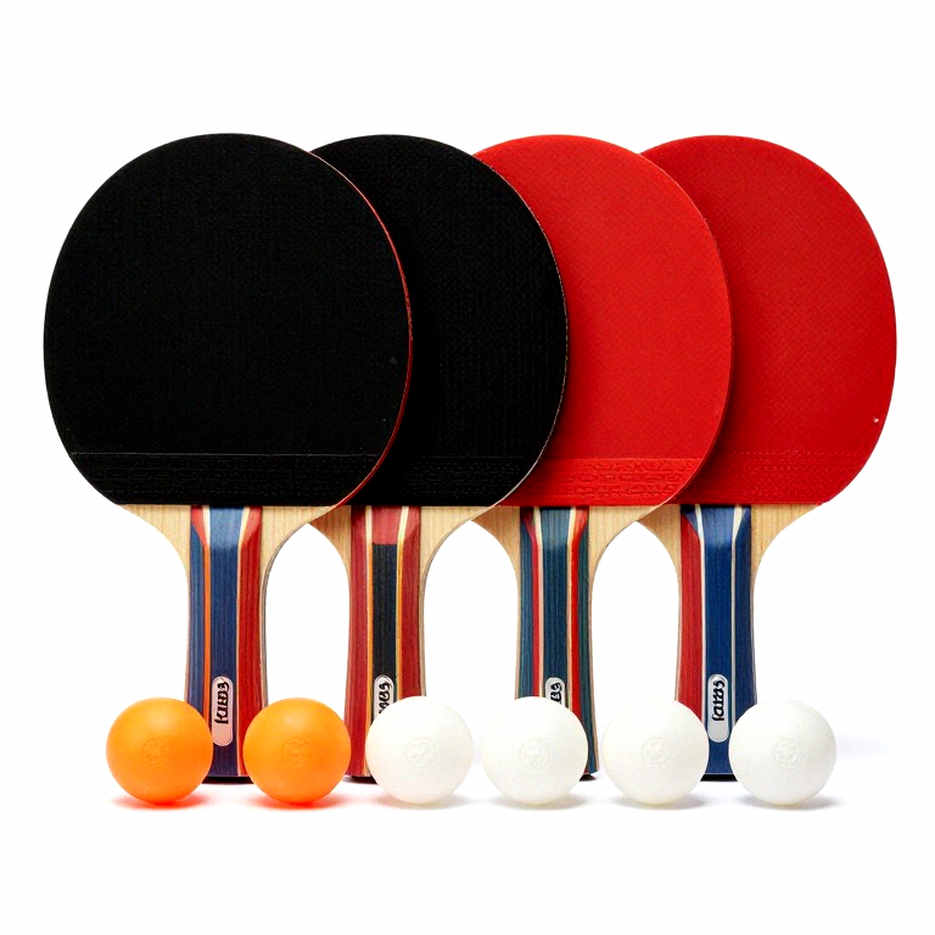
The presence of hardbat and sandpaper in the list of 118 events is a fact that cannot be ignored. Hardbat is the classic style using short-pimpled rubber glued directly onto the blade, with no sponge layer — generating minimal spin and favoring flat hitting and fast drives. It is a heritage of the pre-modern-sponge era. Sandpaper is even more primitive, using a sandpaper-covered racket, designed for fun and beginner accessibility rather than competitive fairness. The fact that a tournament bearing the "national championship" label accommodates both extremes simultaneously reveals a deliberate design: covering the entire ecosystem — families, seniors, beginners, athletes with disabilities, people with Parkinson's, and domestic competitive players in the open singles. The rating events reveal a layer of serious competitors where internal USATT ratings determine seeding. This is a hallmark of the American system — dividing by skill level rather than by international seeding. Newcomers with low ratings still have their own playground, while top players will meet based on their ratings. This is a breadth-of-participation model rather than an elite-height model. It does not nurture elite talent development; it nurtures a broad community — something every national table tennis ecosystem needs before thinking about Olympic medals.
A sport-plus-tourism model: a boost for the local economy
The choice of Mandalay Bay, a major resort on the Las Vegas Strip, along with advice to book accommodation early and the suggestion that "there is plenty to explore," is not decorative detail. It reveals a clear revenue structure: the longer the tournament, the more attendees spend on hotels, restaurants, and entertainment. Six competition days with schedules running from 8 a.m. to 9 p.m., athletes coming from across the country — all of this feeds a sports-tourism ecosystem that Las Vegas knows very well. The December 1 registration deadline, along with the warning that "some events may fill before the deadline," creates a deliberate scarcity mechanism: demand exceeds capacity in popular categories, and late registrants will be left behind. This mechanism benefits organizers in the short term, but it is also a communications risk if not conveyed early enough.
Data limitations
This article is based entirely on the official USATT announcement. There is no data on player strength, no head-to-head records, no prize money information. All judgments about strategy and operational models are inferred from event structure, eligibility rules, and venue choice — not from actual match results.
The counterintuitive point: the biggest barrier is not on the table
When people change the grass, they forget to change what nourishes the roots. This saying applies to USATT's communications strategy. Their announcement devotes most of its space to describing the grand scale, the attractive venue, and family-friendly categories — but buries the Gold/Lifetime membership requirement, the most significant entry barrier, in the middle of the article. For an event bearing the "national championship" title, the eligibility barrier should have been highlighted right from the opening paragraph. A new player could plan, book flights, book a hotel, and then discover they are ineligible only one day before the deadline.
The first blind spot: the biggest threat to a participant does not come from an opponent, but from discovering the membership requirement too late. The second blind spot: the absence of any named star — even though the tournament is described as "one of the biggest weeks on the U.S. table tennis calendar" — is a deliberate choice. National-level sports announcements usually attach events to prominent faces; USATT does not. This reveals that the communication focus is participation, not stars; family experience, not elite tension. Sponsors and fans need to understand this nature before expecting a WTT-style atmosphere. The third blind spot, systemic in nature: the entire tournament produces zero impact on world rankings. With 118 events, it operates as an internal USATT rating system rather than a stop on the ITTF/WTT world ranking circuit. Its value lies in participation breadth and associated revenue, not in nurturing international medal contenders.
A window for the 2028 Olympic cycle
The most notable context: 2026 sits roughly two years before the Los Angeles 2028 Olympics — a strategic window for any host-country federation. USATT does not claim an Olympic link in its announcement, but promoting a large, family-oriented, community-driven event at precisely this moment creates a legitimate platform: building public coverage and interest ahead of a home Games. If this strategy works, the 2026 participation numbers will serve as the baseline for measuring growth over the next two years.
An open question
The question after reading the full announcement: will 118 events truly turn Las Vegas into an annual gathering point for the American table tennis community, or is this merely a capacity stress test ahead of the home Olympics? If USATT wants to build a sustainable ecosystem, they must prove that participation numbers — not just membership revenue — grow year over year. There are seasons when we must learn to live with defeat before the ball even rolls, but for fans at this year's tournament, defeat may arrive right at the entrance, simply because a line about membership rules was buried among 118 promising categories.