
Thuy Linh and Three Asian Games: When a Medal Is Not Just a Matter of Talent
Q: Tại sao Nguyễn Thùy Linh nói Asiad khó giành huy chương? A: Vì hệ thống đào tạo và nguồn lực của cầu lông Việt Nam còn khoảng cách lớn so với các đoàn mạnh châu Á như Trung Quốc, Nhật Bản, Hàn Quốc, Indonesia và Thái Lan. Key facts: - Nguyễn Thùy Linh đã dự ba kỳ Đại hội Thể thao châu Á liên tiếp và hai kỳ Thế vận hội. - Cô nêu khoảng cách về nguồn lực, thiếu huấn luyện viên nước ngoài chuyên trách và các chuyến tập huấn còn khiêm tốn. - Nội dung đơn nữ Asiad giới hạn suất tham dự, đòi hỏi thắng liên tiếp nhiều trận trước đối thủ đẳng cấp thế giới. - Năm 2023 được ghi nhận là một năm thi đấu chưa thành công của tay vợt này. - Huy chương đơn nữ Asiad phụ thuộc vào năng lực hệ thống, không chỉ tài năng cá nhân. Nguồn: Báo Dân trí (bài phỏng vấn) | Ngày đăng: cần xác minh thêm. Q: Thành tích của Thùy Linh ở các kỳ Đại hội là gì? A: Cô đã góp mặt tại ba kỳ Asiad liên tiếp và hai kỳ Olympic, chưa giành huy chương Asiad ở nội dung đơn nữ. Q: Yếu tố nào quyết định huy chương đơn nữ cầu lông Asiad? A: Khả năng duy trì phong độ qua bốn tới năm trận liên tiếp với đối thủ ngang tầm, cộng với chất lượng chuẩn bị thể lực và hồi phục.
Three Asian Games. Two Olympic appearances. And one answer recorded verbatim in Dan Tri newspaper: "The Asian Games arena is very harsh, it is not easy to win a medal." Nguyen Thuy Linh said nothing new. But the way she said it, in a full interview, sketches a picture far wider than one athlete's story. It is the story of a badminton nation stuck between two tiers: capable enough to qualify, yet not resource-rich enough to break through the harshest rounds.
I have followed Asian women's badminton for a long time, and what makes me pause at this statement is not the modesty of an athlete, but the structure behind it. This player has reached a threshold very few Southeast Asian players reach: three consecutive Asian Games, two consecutive Olympics. At her age, that is a remarkable volume of elite competitive experience. Yet when she speaks of medals, she still uses the word "not easy." The truth is that for a Southeast Asian player, "not easy" is not pessimism — it is an accurate description of probability.
The Asian Games is a stage where strong delegations such as China, Japan, South Korea, Indonesia and Thailand bring groups of athletes groomed from childhood, training inside national centres, with dedicated technical analysts and medical staff. In women's singles, the competition density is harsher than at open tournaments, because entries are limited and each delegation can send only a small number. A player who wants to go deep must win several consecutive matches against world-class opponents, within a short window, with almost no room for error.
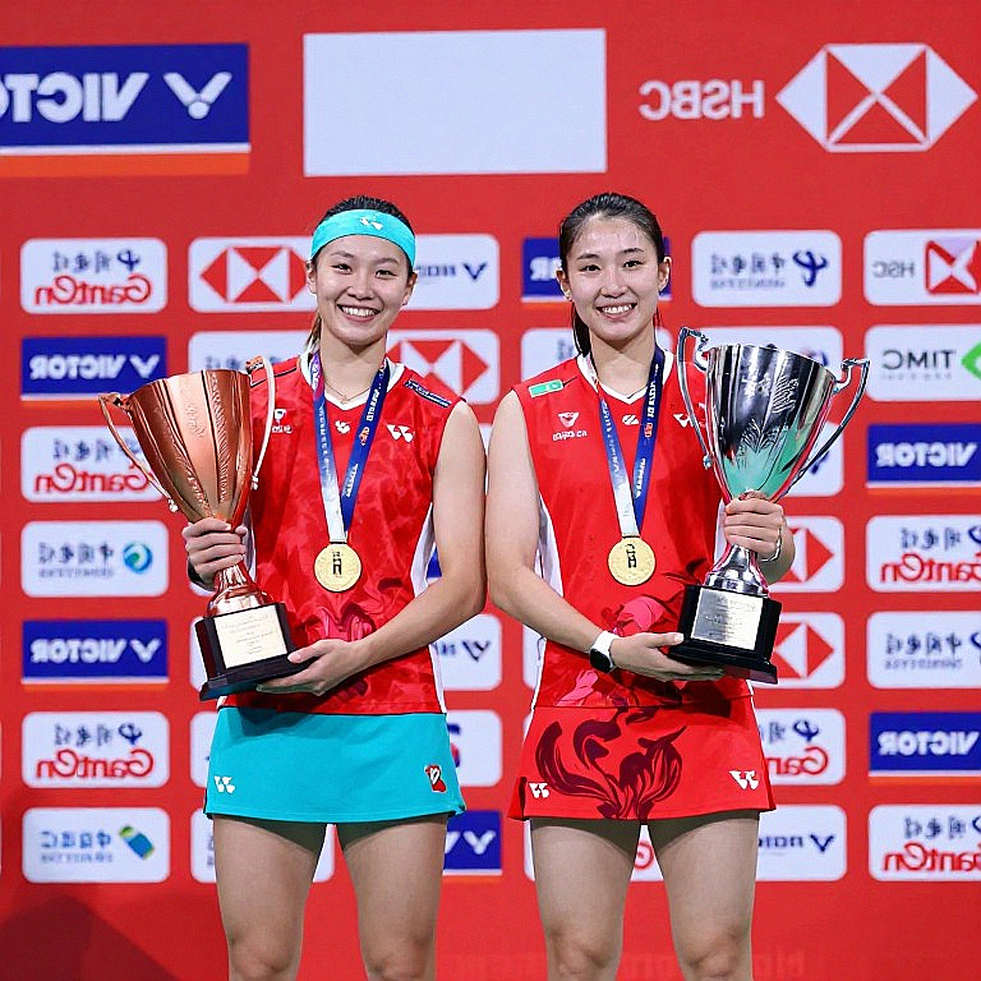
In Thuy Linh's story, the most notable point is what she says about preparation conditions. She mentions the resource gap, the absence of a dedicated foreign coach, and training trips that remain modest compared with her rivals. These are an athlete's subjective statements and must be read carefully, but they match a reality any data analyst can see: the skill gap at the top is not closed by willpower but by thousands of monitored training hours.
Based on my experience watching these matches, a Southeast Asian women's singles player can typically only reach peak form at certain points in the year. To hold that form until the Asian Games, she needs a precise load-periodisation programme, enough moderate warm-up matches in the preparation phase, and a backroom team that can handle recovery. When those conditions are uneven, the player is forced to "burn" form at lower-value tournaments just to gain experience and points, so that by the time she reaches the big stage, part of her physical base has been spent.
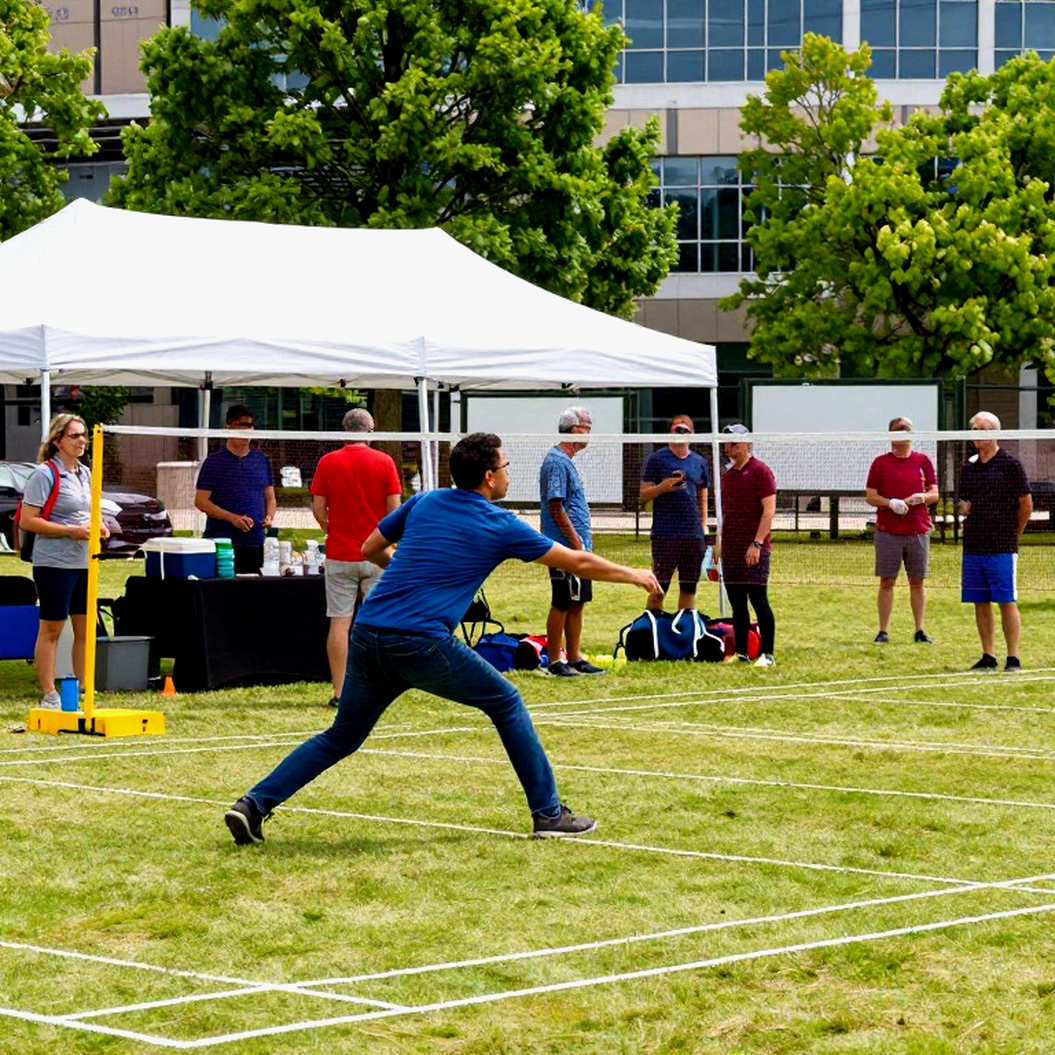
A badminton women's singles medal at the Asian Games is not decided by a single brilliant match, but by the ability to endure four to five consecutive matches against peers — a test of the whole system, not just the player. That is why the word "harsh" is not the language of timidity, but the language of someone who has walked the road and measured its true length.
Looking back at 2026, described as an unsuccessful year, we can see the rhythm of a cycle. An unsuccessful year, for an elite player, is usually not a sign of decline but of a preparation gap. When the calendar is dense, when training camps get cut short, when fitness care stays minimal, small technical errors accumulate into large problems at exactly the most important moment. At a women's player's age beyond twenty, this is even more sensitive, because this is the phase where fitness and mental stability must reinforce each other.
Here I want to say something that may draw objections. Constantly touting the achievement of "qualifying for the Asian Games, qualifying for the Olympics" can contain an invisible trap. It turns participation into the measure of success and quietly lowers the real target towards medals. Strong delegations do not measure by number of tickets; they measure by podium finishes. When participation becomes the default goal, pressure to invest in depth decreases, because the immediate result is still enough to report. A beautiful number is the most suspect number. A Games ticket looks beautiful, but it does not tell you how many people stand behind that player, how many monitored training sessions, and how many experts are truly alongside her.
Two layers of the problem must be separated. The first is individual capability: Thuy Linh, purely professionally, belongs to the group of players who can trouble any opponent in a single match. The second is system capability: time, experts, training partners, and a suitable tournament chain. It is the gap between these two layers that decides how far a player can go at the Asian Games. If we speak only of the first layer, the story becomes personal praise or blame, both useless. The essence lies in the second layer.
The easiest error is to read results through a few isolated matches. A win over a strong player does not prove the system is sufficient; a painful loss does not prove the player is finished. To judge correctly, one must look at the sequence of matches, at the frequency of clashes with the top group, at how the player responds in the third game on the fourth day. These are things Vietnamese media rarely have enough data to present, and also why statements like Thuy Linh's matter: when data is lacking, the insider is the only remaining source.
I believe what Thuy Linh needs is not another word of encouragement, but a stable structure over many years. Three Asian Games and two Olympics have proven her professional endurance is large enough. What is missing lies outside the player: a long-term international coach, a training programme with quality partners, and a way of reading results by cycle rather than by tournament.
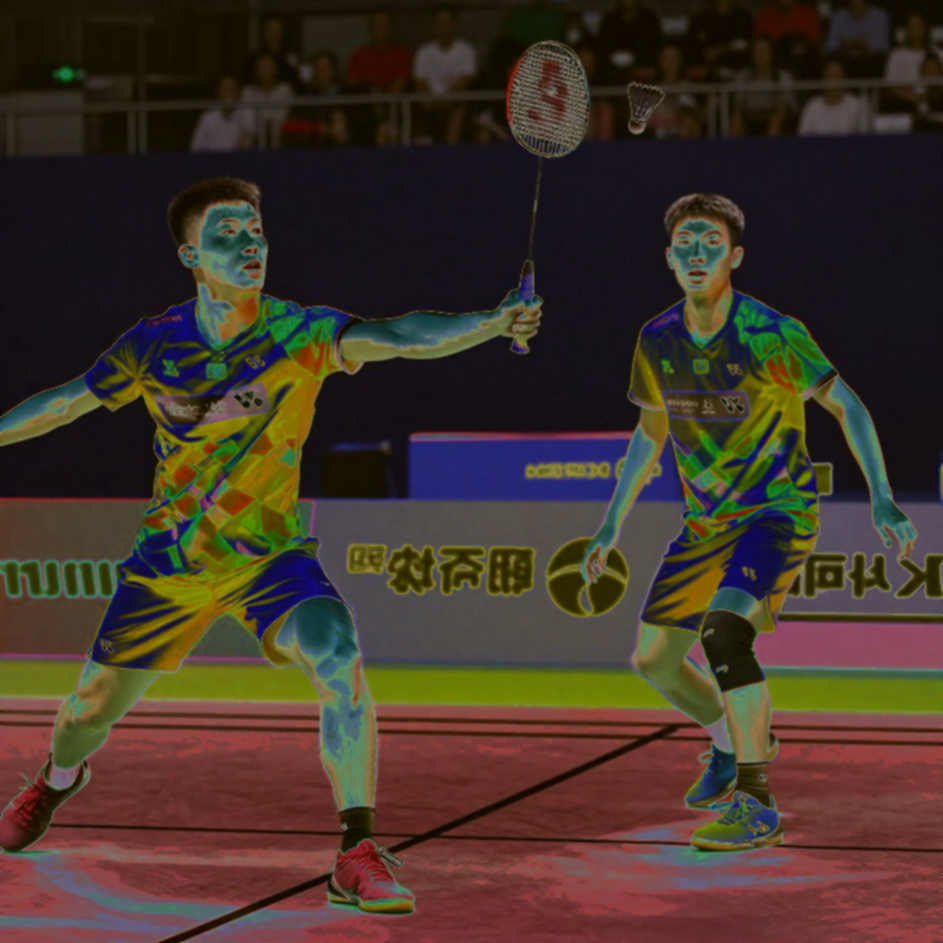
When a player has reached this threshold and still has to say "it is not easy to win a medal," the right question is not what she still lacks, but how much we have prepared for her. Will the coming Asian Games be the first time Vietnamese badminton invests deeply enough for a women's singles player to step onto the court with the mindset of someone coming to win a medal, rather than merely to take part?